An organized crime expert is calling for Ontario to follow Quebec's aggressive new approach to curbing the public influence of outlaw motorcycle gangs by banning the display of their club names and logos.
Quebec's Proposed Crackdown on Criminal Symbols
In December, Quebec's Public Security Minister, Ian Lafrenière, tabled proposed legislation aimed at bolstering public safety. The bill, known as Bill 13, seeks to prohibit the public display of names and imagery associated with any "entity with a criminal purpose."
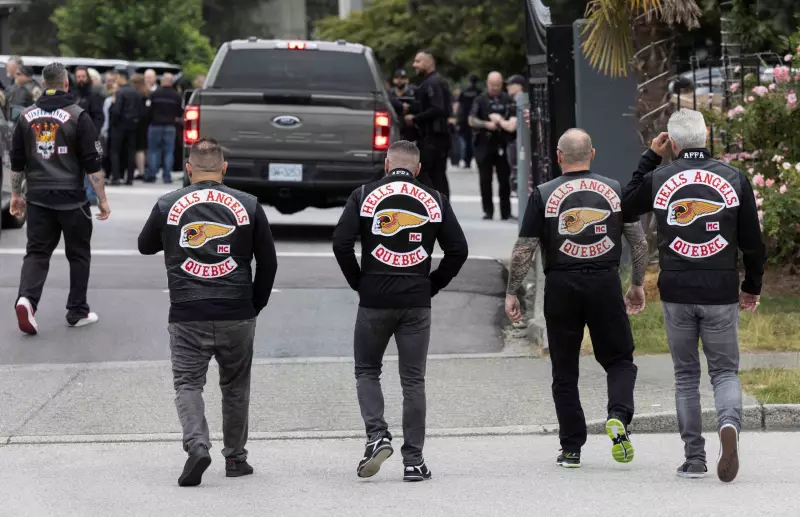
If passed, the law would impose fines ranging from $1,000 to $15,000 on members of outlaw motorcycle clubs for wearing patches, vests, or other clothing that displays their club's insignia in public. The legislation also includes measures to create a public registry for high-risk sex offenders and to ban protests near politicians' residences.

Expert Advocates for Ontario to Follow Suit
James Dubro, an author and documentary filmmaker specializing in organized crime, praised Quebec's initiative. "It's absolutely a good thing. There's nothing negative about it," Dubro stated, urging Ontario to implement similar measures.
Dubro explained that bikers' patches—the leather vests bearing club logos and chapter locations—serve a dual purpose: to intimidate both rivals and the general public, and to convey "pride in the organization." He noted that Quebec has historically been ahead of Ontario in enacting laws to combat organized crime networks.
Police Response and Ontario's Biker Landscape
When asked if Ontario should adopt comparable legislation, a spokesperson for the Ontario Provincial Police's biker enforcement unit offered a measured response. Angie Sloan stated that police are responsible for enforcing laws and ensuring safety, adding, "Any additional tools or resources that assist police and enhance public safety in the communities we serve are welcomed."
The scale of the challenge in Ontario is significant. Authorities believe eleven outlaw motorcycle clubs operate within the province, running approximately 75 chapters and boasting roughly 1,000 members.
The push for stricter laws follows recent pressure on retailers. In September 2025, Amazon and Walmart agreed to stop selling Hells Angels support gear in Quebec after intervention from the province's public security ministry. The items included hats, T-shirts, and rings bearing coded support messages for the club.
Under Quebec's proposed system, the public security minister would maintain a list of designated criminal groups, which would remain in effect unless police recommend a group's removal. This legislative move marks a concrete step toward diminishing the visible presence and perceived power of organized crime factions in the public sphere.