Ontario Law Society Sparks Debate with Mandatory Indigenous Cultural Training
The Law Society of Ontario, which oversees more than 60,000 legal professionals across the province, has ignited significant controversy with its recent decision to implement mandatory Indigenous cultural competency training. This six-hour course, known as The Path, has become a focal point for broader discussions about political influence within legal governance structures.
Content and Concerns About The Path Course
While supporters argue that the course provides valuable education about Canada's complex history with Indigenous peoples, critics contend that the program represents a political agenda rather than purely educational content. The curriculum reportedly addresses topics including Aboriginal title disputes, land defender movements, residential school history, and contemporary land acknowledgement practices through what some describe as a particular ideological lens.
"Legal professionals absolutely should educate themselves about all aspects of Canadian history, including difficult chapters," noted one observer familiar with the debate. "However, there are legitimate questions about whether mandatory training that presents specific political perspectives should be a condition for practicing law in Ontario."

Governance Reforms and Political Dynamics
The controversy extends beyond the course itself to proposed governance reforms that critics argue would consolidate power among certain factions within the law society. The LSO operates through a board of directors called benchers, consisting of 20 lawyers elected from Toronto, 20 from outside Toronto, five elected paralegals, and eight laypeople appointed by the provincial government.
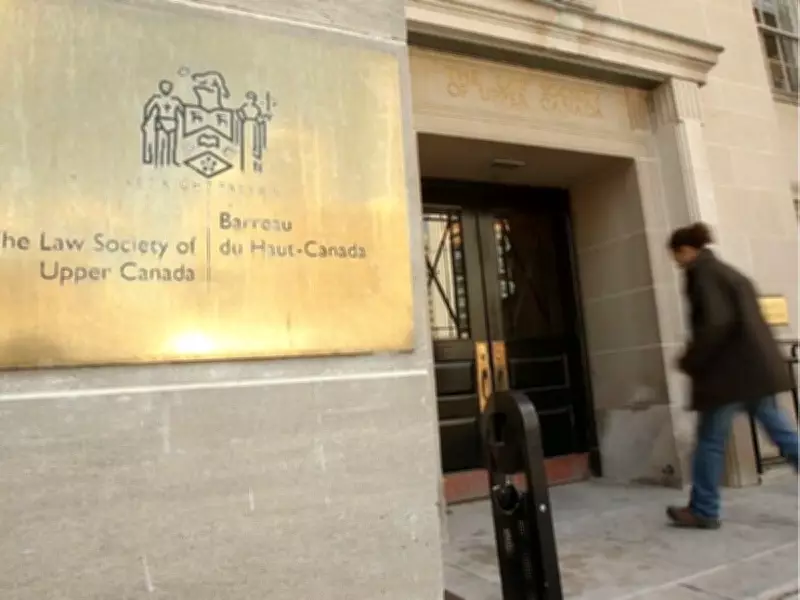
This governance structure has become increasingly politicized in recent years. In 2015, a group of progressive lawyers gained influence within what was then called the Law Society of Upper Canada. Their early initiatives included changing the organization's name to LSO and implementing a requirement for all lawyers to submit a "statement of principles" affirming their commitment to diversity, equity, and inclusion principles.
Political Shifts and Counter-Movements
This requirement sparked significant opposition, leading to the formation of the Stop SOP movement composed primarily of conservative- and libertarian-leaning lawyers. In the 2019 bencher elections, Stop SOP candidates secured 22 lawyer seats, sufficient to repeal the statement of principles requirement and replace it with a more general commitment to human rights laws and non-discrimination obligations.
The political pendulum swung again in 2023 when the Good Governance Coalition, representing progressive interests, won all 45 elected lawyer and paralegal seats, completely displacing the Stop SOP representatives. However, subsequent judicial appointments have altered the composition, with six Stop SOP members currently serving as replacements for GGC benchers who have become judges.
Broader Implications for Legal Profession
The current debate raises fundamental questions about the appropriate role of political ideologies within professional regulatory bodies. Proponents of the mandatory course argue that cultural competency is essential for lawyers serving diverse communities in Ontario, while opponents express concern about compelled expression of specific political viewpoints as a condition of professional practice.
As governance reform proposals move forward, observers note that the outcome could significantly influence how legal professionals in Ontario engage with issues of Indigenous rights, diversity initiatives, and the balance between professional education and political expression within mandatory training requirements.