New Zealand Mosque Attacker Attempts to Revoke Guilty Pleas, Blaming Prison Environment
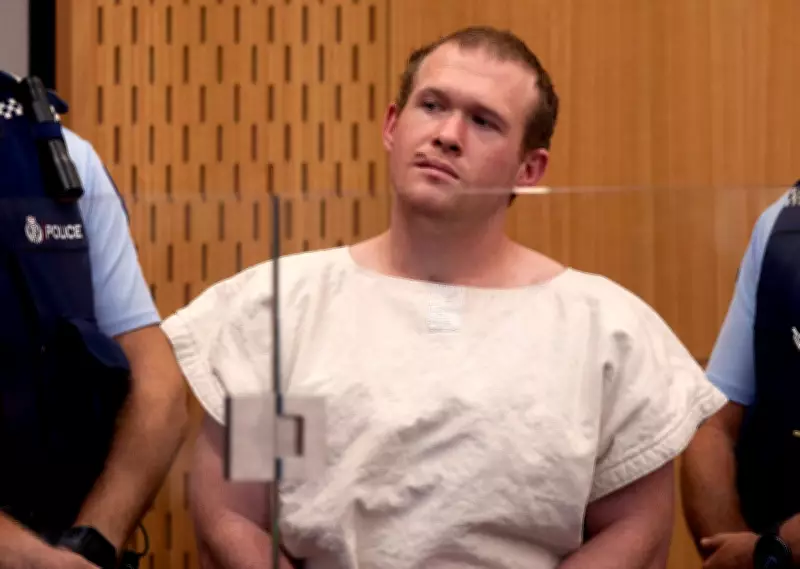
In a startling legal development, Brenton Tarrant, the perpetrator of the devastating 2019 Christchurch mosque shootings that claimed 51 lives, is now seeking to overturn his guilty pleas. The Australian national, who was sentenced to life imprisonment without parole in 2020, has filed a new application with the New Zealand court system, asserting that his time in prison rendered him irrational and incapable of making sound legal decisions during his trial proceedings.
Legal Arguments Center on Prison Conditions and Mental State
Tarrant's legal team contends that the harsh conditions of his incarceration, particularly during the pre-trial and trial phases, significantly impaired his cognitive functions and decision-making abilities. They argue that this compromised mental state directly influenced his decision to plead guilty to 51 counts of murder, 40 counts of attempted murder, and one charge of terrorism—pleas that were entered in March 2020.
The defense claims that prolonged isolation, restricted communication, and the overall prison environment created circumstances where Tarrant could not properly comprehend the legal consequences of his guilty pleas or participate meaningfully in his own defense. This argument represents a significant departure from Tarrant's previous courtroom demeanor, where he appeared coherent and even dismissed legal representation at one point during the proceedings.

Historical Context of the Christchurch Attacks
The Christchurch mosque shootings on March 15, 2019, represent one of New Zealand's darkest moments in modern history. Tarrant live-streamed his attacks on two mosques during Friday prayers, sparking international outrage and prompting swift legislative action from the New Zealand government, including strengthened gun control measures.
His guilty pleas in 2020 spared survivors and victims' families from a lengthy trial, though many still attended sentencing hearings to deliver impact statements. The current attempt to withdraw those pleas could potentially reopen painful wounds for the affected communities who believed the legal process had reached its conclusion.
Legal Experts Weigh In on Unusual Motion
New Zealand legal analysts note the extraordinary nature of this application, particularly given the comprehensive nature of Tarrant's original guilty pleas and the court's extensive efforts to ensure he understood the proceedings. The High Court had appointed standby counsel and conducted multiple hearings to verify Tarrant's comprehension before accepting his pleas.
Some legal observers suggest this motion may represent a final attempt to challenge the legal process rather than a substantive claim about prison conditions. Others note that while prison environment claims are occasionally raised in appeals, they rarely succeed in cases where defendants have previously demonstrated clear understanding of proceedings.
Potential Implications for New Zealand's Justice System
This development raises important questions about prisoner rights, mental health assessments in high-security facilities, and the finality of guilty pleas in terrorism cases. The New Zealand courts will need to carefully balance considerations of procedural fairness against the need for closure in one of the nation's most traumatic criminal cases.
The application comes at a sensitive time, as New Zealand continues to grapple with the aftermath of the attacks and works to strengthen social cohesion. Whatever the court's decision, this legal maneuver ensures that the Christchurch mosque shootings remain part of New Zealand's ongoing legal and social discourse.