New Zealand Court Restricts Notoriety of Convicted Killer in Landmark Ruling
In a significant legal decision, New Zealand's Court of Appeal has moved to restrict the spread of a convicted mass murderer's views and hamper his attempts to gain public notoriety. The court heard an appeal from Brenton Tarrant, whose name has become synonymous with one of the country's darkest chapters.
Judicial Action Against Infamy Seeking
The court's intervention represents a deliberate effort to prevent the perpetrator from using legal proceedings as a platform for attention. This approach reflects growing judicial awareness about how high-profile criminals can manipulate media coverage and court appearances to amplify their messages and cultivate notoriety.
Legal experts note this represents a shift in how courts handle cases involving individuals who have committed atrocities. Rather than providing unlimited access to public platforms, the judiciary is increasingly considering the societal impact of allowing such figures to broadcast their ideologies.

Context of the Case
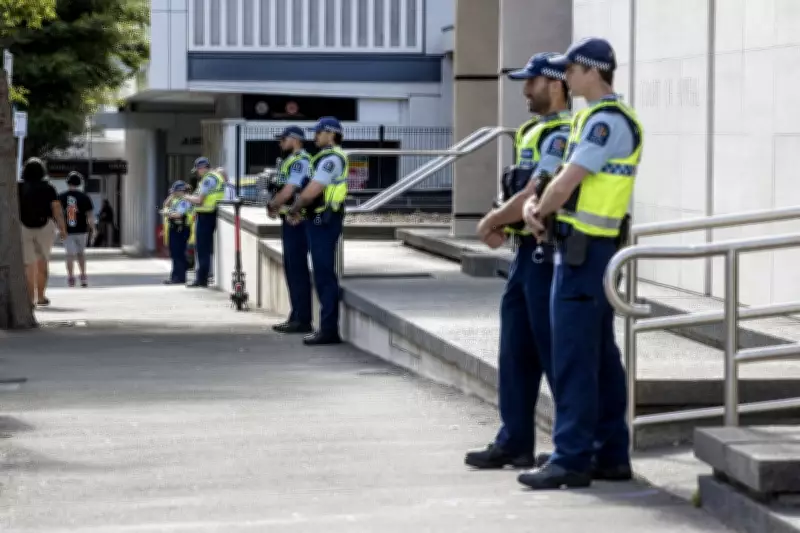
The appeal hearing took place at the Court of Appeal in Wellington, where police maintained a visible presence outside the courthouse. The proceedings addressed legal matters related to Tarrant's case, though specific details of the appeal remain subject to publication restrictions.
This judicial approach aligns with broader societal efforts to deny perpetrators of mass violence the fame they often seek through their actions. By limiting opportunities for public expression through legal channels, the court aims to reduce the potential for copycat incidents and minimize trauma for victims' families.
Broader Implications for Justice Systems
The New Zealand court's stance raises important questions about balancing legal rights with public safety concerns:
- How should courts handle defendants who seek to use proceedings for ideological propagation?
- What responsibilities do justice systems have to prevent the glorification of violence?
- How can victim protection be balanced with procedural fairness?
This case follows similar approaches in other jurisdictions where courts have implemented restrictions on how mass murderers' communications are handled, particularly regarding manifestos and courtroom statements.
Looking Forward
As legal systems worldwide grapple with how to handle high-profile cases involving ideological violence, New Zealand's approach offers one model for limiting the spread of harmful content while maintaining judicial integrity. The court's actions demonstrate a recognition that sometimes the most effective response to those seeking infamy is to deny them the platform they crave.
The decision reflects ongoing efforts to develop legal frameworks that address not just the crimes themselves, but also their potential to inspire further violence through media attention and public discourse.