Toxicology Report Reveals No Substances in Myles Gray's System
A recent coroner's inquest into the 2015 death of Myles Gray has brought forth crucial toxicology findings that show no traces of alcohol or psychedelic drugs in his system. The inquest, which began in April 2023, is examining the circumstances surrounding Gray's death following a confrontation with multiple police officers in Burnaby, British Columbia.
Details of the Police Confrontation
Myles Gray, whose death has been the subject of ongoing public scrutiny and protests, was involved in an altercation with several officers from the Burnaby Police Department. The incident occurred in August 2015, and Gray was pronounced dead at the scene. For years, questions have persisted about what exactly transpired during that confrontation and whether any substances might have contributed to the tragic outcome.
The toxicology report, presented by expert witnesses during the inquest, definitively states that Gray had no alcohol or psychedelic compounds in his bloodstream at the time of death. This finding is significant as it eliminates one potential factor that could have influenced his behavior or the officers' response. The report's conclusions are based on comprehensive laboratory analyses conducted shortly after the incident.

Context of the Coroner's Inquest
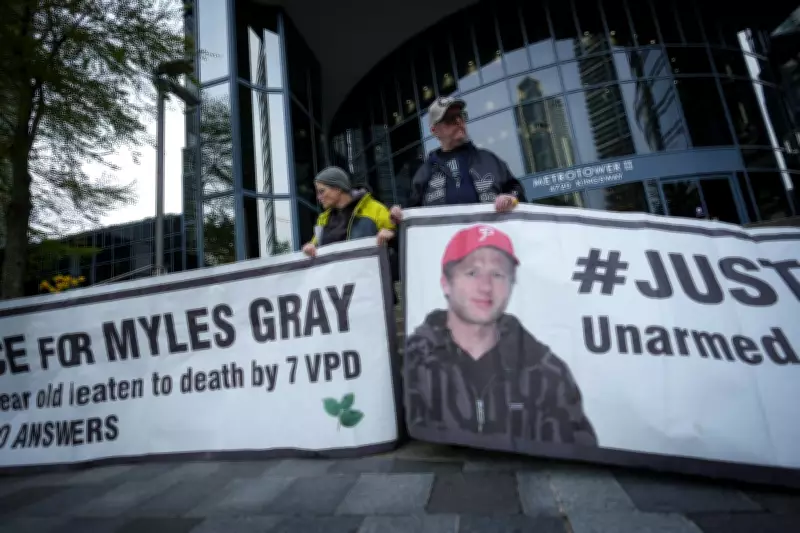
The coroner's inquest, which commenced with protesters holding banners featuring Gray's photograph outside the proceedings, aims to determine the facts surrounding his death. Inquests in British Columbia are fact-finding investigations rather than criminal trials, designed to establish the who, what, when, where, and how of a death, and to make recommendations to prevent similar fatalities in the future.
"The absence of alcohol and psychedelics in Mr. Gray's system is a critical piece of evidence," noted one legal observer familiar with the case. "It shifts the focus squarely onto the actions of the officers involved and the protocols they followed during the encounter."
Broader Implications and Community Response
Gray's death has sparked considerable public concern and activism, with community members and advocacy groups calling for greater transparency and accountability in police interactions. The toxicology results may influence the inquest's final recommendations, which could include changes to police training, de-escalation techniques, or medical response procedures.
The inquest continues to hear testimony from various witnesses, including police officers, medical experts, and individuals who knew Gray. As proceedings unfold, the findings are being closely monitored by both the public and legal experts, who hope they will provide clarity and contribute to improved practices in law enforcement.
Ultimately, the coroner's inquest into Myles Gray's death represents a pivotal moment in addressing longstanding questions about police-involved fatalities in British Columbia. The toxicology report's clear results underscore the need for a thorough examination of all other factors that may have played a role in this tragic event.