No Charges Filed in 2024 Winnipeg Death Following Police Interaction Captured on Video
Manitoba's Crown prosecutors have announced that no criminal charges will be laid against Winnipeg police officers involved in the 2024 death of James Wood, a 35-year-old man, despite the incident being recorded on video. The decision, revealed in March 2026, concludes a lengthy investigation into the circumstances surrounding Wood's death, which occurred after an interaction with law enforcement on January 27, 2024.
Details of the Incident and Investigation
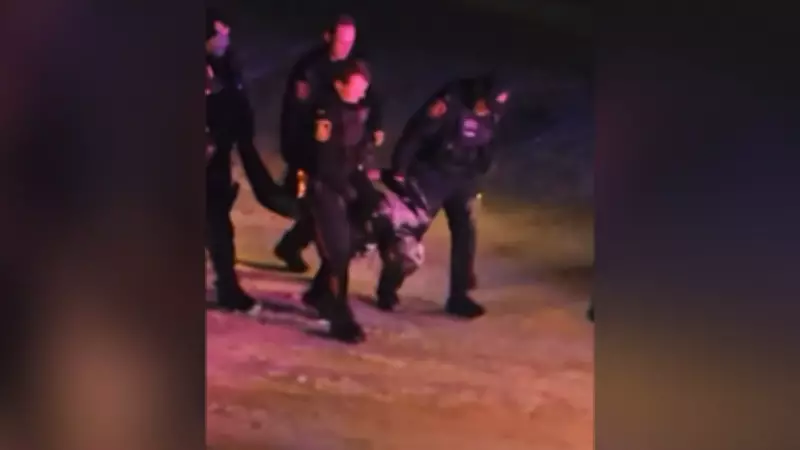
According to official reports, police officers were transporting James Wood to a police cruiser in Winnipeg when the fatal interaction took place. Video footage submitted as evidence captured the events leading up to his death, sparking public scrutiny and calls for accountability. The Crown's review focused on whether the officers' actions constituted criminal negligence or misconduct under Canadian law.
After thorough analysis, prosecutors determined that the evidence did not meet the threshold for charges, citing factors such as the officers' adherence to protocol and the absence of intent to cause harm. This outcome aligns with legal standards requiring proof beyond a reasonable doubt for criminal prosecution, but it has drawn criticism from community advocates who argue for greater transparency in police oversight.

Community and Legal Reactions
The decision has ignited debates over police accountability and the use of video evidence in judicial processes. While authorities emphasize that the review was conducted independently and based on factual evidence, some residents express frustration, questioning the effectiveness of current oversight mechanisms. This case highlights ongoing tensions between law enforcement practices and public trust in Winnipeg, particularly in incidents involving vulnerable individuals.
In response, local officials have reiterated their commitment to reviewing police procedures and enhancing community engagement to prevent similar tragedies. However, no further legal actions are planned, as the Crown's ruling is final unless new evidence emerges.
Broader Implications and Future Considerations
This incident underscores the complexities of policing in urban settings and the challenges in balancing officer safety with public welfare. As video technology becomes more prevalent, its role in shaping legal outcomes continues to evolve, prompting discussions about reform and accountability measures. For now, the case remains closed, but it serves as a poignant reminder of the need for ongoing dialogue and improvement in police-community relations across Canada.