DNA Evidence in Nancy Guthrie Investigation Fails to Yield National Database Matches
Police officials involved in the ongoing investigation into the Nancy Guthrie case have disclosed that DNA evidence collected from a glove at the scene did not correspond with any existing profiles in the national database. This development introduces a significant complication for investigators seeking to identify potential suspects or persons of interest connected to the incident.
Details of the Investigation and Forensic Analysis
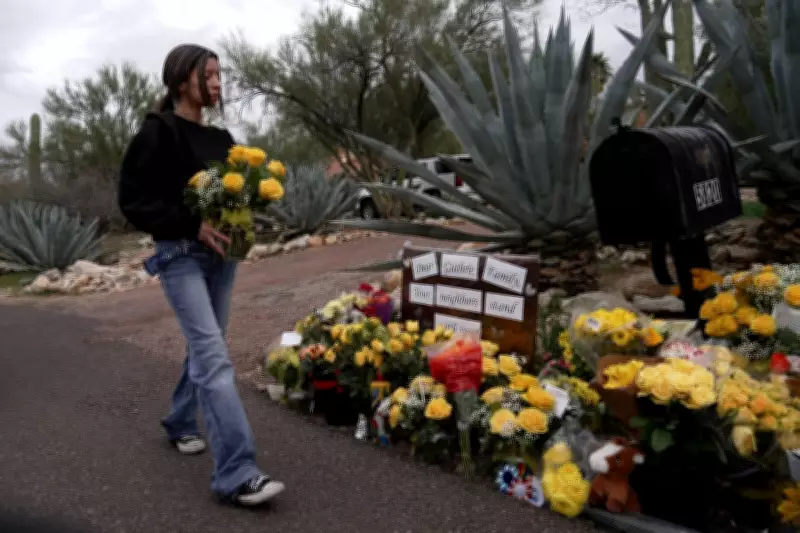
The investigation centers on Nancy Guthrie, a resident of Tucson, Arizona, where community members have expressed concern and solidarity. On Friday, February 13, 2026, individuals were observed placing flowers in front of Guthrie's home, highlighting the local impact of the case. Forensic teams meticulously analyzed the glove, a critical piece of evidence, hoping to extract DNA that could link to known individuals in law enforcement databases.
However, the results indicated no matches within the national database, a system that aggregates DNA profiles from convicted offenders, arrestees, and forensic evidence from unsolved cases across the country. This outcome suggests that the individual associated with the glove may not have a prior criminal record that required DNA submission, or the DNA may be from a source not yet entered into the system.

Implications for the Ongoing Police Inquiry
The lack of a database match does not necessarily halt the investigation but redirects police efforts toward alternative forensic methods and investigative avenues. Authorities may now focus on:
- Expanding DNA comparisons to regional or state-level databases that might contain different profiles.
- Conducting further forensic examinations of the glove and other evidence collected from the scene.
- Interviewing witnesses and reviewing surveillance footage to identify potential leads.
Police have emphasized that the investigation remains active and that they are exploring all possible angles to resolve the case. The absence of a database match underscores the challenges law enforcement faces in cases where forensic evidence does not immediately connect to known individuals, potentially prolonging the search for answers.
Community Response and Broader Context
In Tucson, the community has shown support through gestures like the floral tributes, reflecting public interest and concern for Guthrie's well-being. This case occurs amidst a backdrop of various national and local news, including political statements, economic updates, and other criminal investigations, but it stands out due to the forensic complexities revealed by the DNA analysis.
As the investigation continues, police are urging anyone with information to come forward, hoping that public assistance might provide new leads. The failure to match the glove DNA to the national database serves as a reminder of the limitations and evolving nature of forensic science in criminal justice, where not all evidence yields immediate results.