The family of Myles Gray, a man who died following a violent confrontation with several Vancouver police officers in 2015, is facing significant financial hardship as they continue their pursuit of accountability. Their legal representative has stated publicly that the family should not have to depend on charitable donations to fund their quest for answers and justice.
Long Road to a Coroner's Inquest
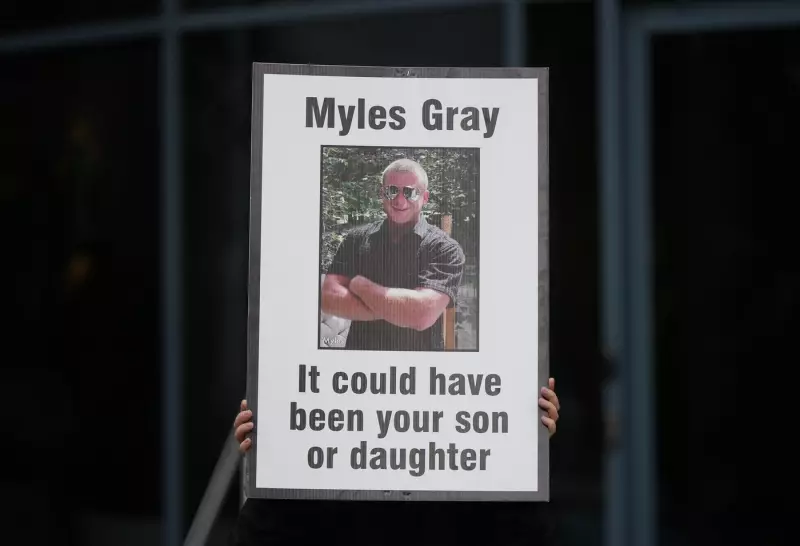
The case stems from an incident on August 13, 2015, when Myles Gray, a 33-year-old resident of Sechelt, B.C., died after an altercation with multiple officers from the Vancouver Police Department. The details of the confrontation have been the subject of intense scrutiny and public concern for nearly a decade. A critical step in the process was a coroner's inquest that began on April 17, 2023, in Burnaby, B.C. Public demonstrations, including individuals holding signs with Gray's photo, preceded the start of the proceedings.
Despite the inquest being a public fact-finding mission, the financial burden on Gray's family has been substantial. Legal fees, travel costs, and other expenses associated with engaging with the complex judicial and coronial processes have accumulated over many years.

Financial Strain on the Family
In the lead-up to a forthcoming hearing, the family's lawyer emphasized the unsustainable nature of their current situation. The core argument is that families thrust into a fight for transparency and accountability following a death in police custody should not be forced to "rely on charity" to participate meaningfully in official processes. This highlights a systemic issue where the costs of seeking justice can themselves become a barrier.
The lawyer's comments underscore the emotional and economic toll on the Gray family, who have waited years for resolutions and answers regarding the death of their son. Their struggle represents a broader challenge faced by many families in similar circumstances across Canada.
Ongoing Pursuit of Accountability
The death of Myles Gray has remained a poignant example in ongoing discussions about police conduct, use of force, and oversight in British Columbia and nationwide. The upcoming hearing represents another chapter in this prolonged legal journey. The family's continued push for a full accounting of the events of that day in August 2015 keeps the case in the public eye and maintains pressure on the institutions involved.
As the date for the hearing approaches, the lawyer's statement serves as a reminder of the human cost behind headlines about police accountability. It raises important questions about who bears the financial responsibility when citizens seek to hold state power to account through established legal channels.