Vancouver Inquiry into Myles Gray's Death Set to Continue After Legal Shakeup
The high-profile public hearing examining the circumstances surrounding the death of Myles Gray, which occurred during an encounter with Vancouver police, is scheduled to resume its proceedings. This development comes in the wake of a significant change in the legal team representing the Office of the Police Complaint Commissioner (OPCC).
Counsel Resignation Precedes Hearing's Return
Legal counsel for the OPCC has formally resigned, creating a pivotal moment just as the inquiry prepares to reconvene. The resignation introduces a new dynamic to the already complex and emotionally charged proceedings, which have drawn considerable public and media attention across British Columbia.
The hearing, which began earlier in January 2026, aims to scrutinize the events that led to Gray's death and evaluate the conduct of the police officers involved. Family members, including Melissa Gray and Margie Gray, have been present throughout the process, advocating for transparency and accountability.

Family Seeks Answers Amid Procedural Changes
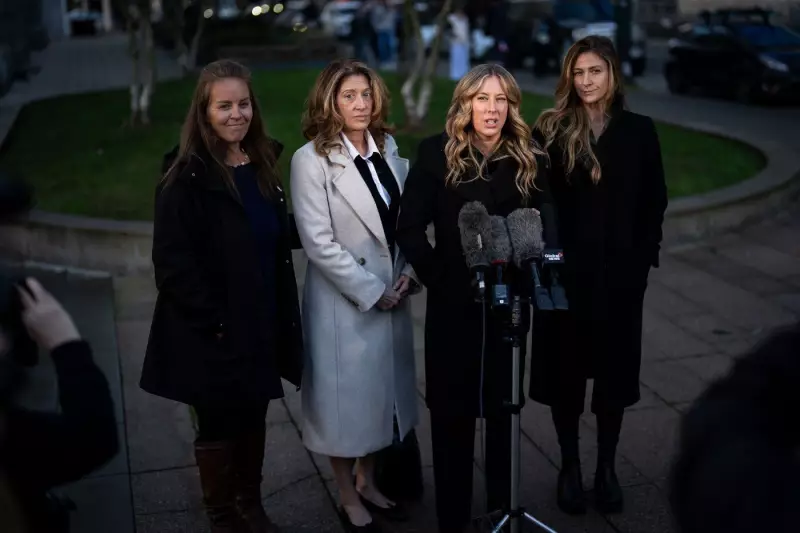
During a break in the hearings, Melissa Gray, sister of the deceased, spoke publicly about her brother's case, flanked by her mother and supporters. The family's persistent quest for answers underscores the hearing's importance not only for personal closure but also for broader discussions about police oversight and reform.
The resignation of the OPCC's counsel may lead to procedural adjustments or delays, though authorities have confirmed the hearing will proceed. This situation highlights the intricate legal and administrative challenges often faced in such sensitive investigations involving law enforcement agencies.
Broader Context of Police Accountability in Canada
This case occurs within a national conversation about police-involved deaths and the mechanisms for investigating them. Public inquiries like this one serve as critical tools for examining systemic issues, ensuring independent review, and potentially recommending policy changes to prevent future tragedies.
The resumption of the hearing will likely focus on gathering testimonies, reviewing evidence, and assessing compliance with police protocols. Observers expect detailed scrutiny of the actions taken by officers during the incident, as well as the subsequent investigation processes.
As the hearing moves forward, community advocates and legal experts will be monitoring closely, emphasizing the need for thoroughness and impartiality. The outcome could have significant implications for police practices and civilian oversight in Vancouver and beyond.