Montreal Police and Giant Steps Collaborate on Groundbreaking Autism Safety Initiative
In a significant move to enhance community safety, the Montreal Police Service has launched a pioneering pilot program in partnership with Giant Steps, a Montreal-based private school and education centre for autistic children and adults. This initiative, described as the first of its kind in Quebec, aims to transform how law enforcement interacts with autistic individuals during emergency situations.
Addressing Critical Communication Gaps
The program's primary objective is to "improve the quality and safety of emergency intervention by allowing police officers to have access to key information at the right moment," according to Giant Steps director Alain Beaudoin. This innovative approach seeks to bridge communication gaps that have historically led to traumatic encounters between police and autistic community members.
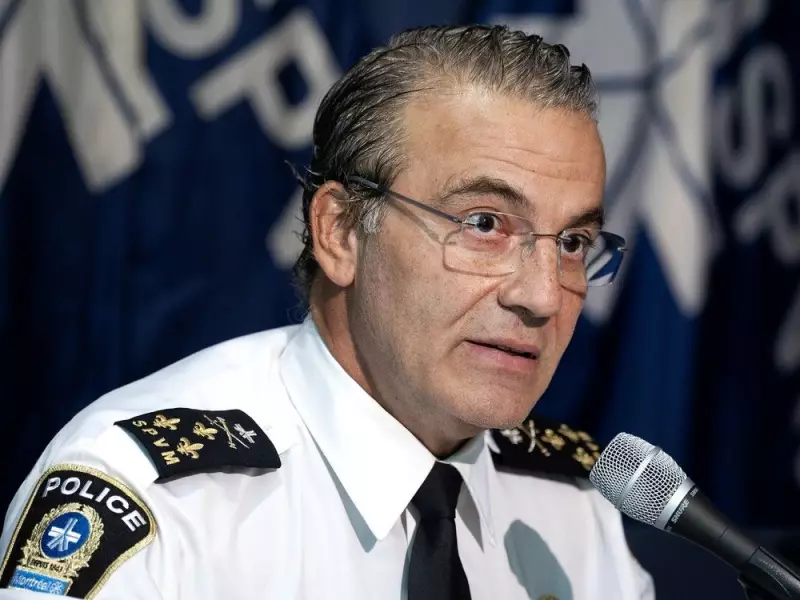
Montreal police chief Fady Dagher revealed that the program was partly inspired by a troubling incident in Longueuil where a police officer attempted to reassure an autistic teen by placing hands on his shoulders. The teen, misunderstanding the gesture, struck the officer, leading to physical restraint. "The parents were scandalized, the teen was traumatized, the police officer was affected for life," Dagher recounted, highlighting the profound impact such encounters can have on all parties involved.

How the Program Works
The voluntary program allows autistic individuals and their families to submit crucial information through a detailed form that includes:
- Communication methods and preferences
- Verbal abilities and alternative communication styles
- Typical responses to stressful situations
- Effective calming techniques and de-escalation strategies
All information collection occurs with explicit consent, and the data becomes tied to the individual's address. This ensures that when police respond to calls at that location, officers arrive already equipped with essential knowledge about how to approach and communicate with the autistic person involved.
Personal Experiences Highlight Program Need
Police officer Sophie Bellemare shared a personal story that underscores the program's importance. During a family dinner, neighbors called 911 after seeing her autistic son balancing near a window. "They believed that my son was in distress, but he was expressing his joy by balancing and making hand gestures that we call 'flapping,'" Bellemare explained. The subsequent police interaction caused significant anxiety for her son and worry for the family.
Isabelle Durand, vice-president of Giant Steps' board of directors, recounted her own experience calling police when her autistic son struggled with medication adjustments. She found her son banging on a bathroom door where his caretaker had barricaded herself. "Two police officers arrived, not with sirens, not yelling," Durand recalled. "It was a very calm, very reassuring intervention." Her positive experience demonstrates how informed police responses can make critical differences.
A Model for Future Police-Community Collaboration
"We believe that our expertise as a centre, by sharing it with police, has created an optimal alliance," Beaudoin stated, emphasizing the collaborative nature of this initiative. The program builds on existing educational partnerships between Giant Steps and Montreal police, where the organization already provides autism awareness training to officers.
Bellemare expressed hope that this initiative "will favour safer and better adapted interventions," describing the program as offering "dignity and safety" to people with autism. As the pilot begins with Giant Steps' clientele, it represents a significant step toward more inclusive and effective policing practices that recognize and accommodate neurodiversity within Montreal communities.