Saskatchewan Man's Bid to Sue Province for Malicious Prosecution Rejected by Court
A Saskatchewan man's legal attempt to hold the provincial government accountable for what he described as malicious prosecution has been dismissed by the Court of King's Bench in Regina. The ruling, delivered in February 2026, represents a significant legal setback for the individual who sought damages and recognition of alleged prosecutorial misconduct.
Details of the Legal Challenge
The plaintiff, whose identity remains protected in court documents, argued that provincial authorities engaged in malicious prosecution during previous legal proceedings against him. He claimed that the prosecution was initiated without proper cause and pursued with improper motives, causing him substantial personal and financial harm.
In his lawsuit, the man sought compensation for damages including legal expenses, emotional distress, and reputational harm resulting from what he characterized as an unjust legal pursuit by provincial authorities.

Court's Rationale for Dismissal
The Court of King's Bench carefully examined the evidence presented by both parties before determining that the plaintiff failed to meet the stringent legal requirements necessary to establish a claim of malicious prosecution. Canadian law sets a high bar for such claims, requiring plaintiffs to demonstrate not only that the prosecution lacked reasonable grounds but also that it was motivated by malice or improper purpose.
Justice presiding over the case found insufficient evidence to support the allegation that provincial prosecutors acted with malicious intent or pursued the case without proper legal foundation. The court emphasized the importance of maintaining prosecutorial discretion while protecting citizens from genuine abuses of legal power.
Legal Context and Implications
Malicious prosecution claims represent one of the most challenging types of lawsuits to successfully pursue within the Canadian legal system. The dismissal of this case reinforces the substantial evidentiary burden plaintiffs must overcome when alleging prosecutorial misconduct against government entities.
Legal experts note that successful malicious prosecution claims typically require clear evidence of both an absence of reasonable cause for prosecution and the presence of improper motives on the part of prosecutors. The court's decision in this Saskatchewan case demonstrates how rigorously these standards are applied in Canadian jurisprudence.
Broader Legal Landscape
This ruling comes amid ongoing discussions about prosecutorial accountability and the balance between state power and individual rights within the justice system. While the court rejected this particular claim, the case highlights the continuing tension between citizens seeking redress for perceived legal injustices and the protections afforded to prosecutorial decision-making.
The decision may influence how similar claims are approached in Saskatchewan and potentially other Canadian jurisdictions, reinforcing the high threshold that must be met when challenging prosecutorial actions as malicious.
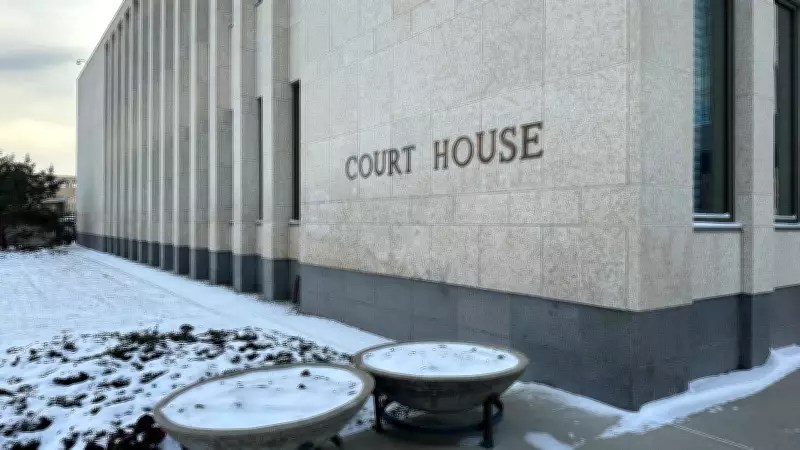
The Court of King's Bench in Regina, where the case was heard, has jurisdiction over serious civil and criminal matters throughout Saskatchewan. The court's architecture and proceedings reflect the formal nature of Canada's legal system, where such significant claims are carefully adjudicated according to established legal principles.