As the one-year mark of a high-profile homicide approaches, the legal team for defendant Luigi Mangione is mounting a vigorous challenge to key pieces of evidence. Mangione, who is accused in the killing of a UnitedHealthcare chief executive, is seeking to have a firearm and certain notes excluded from his upcoming trial.
Courtroom Battle Over Critical Evidence
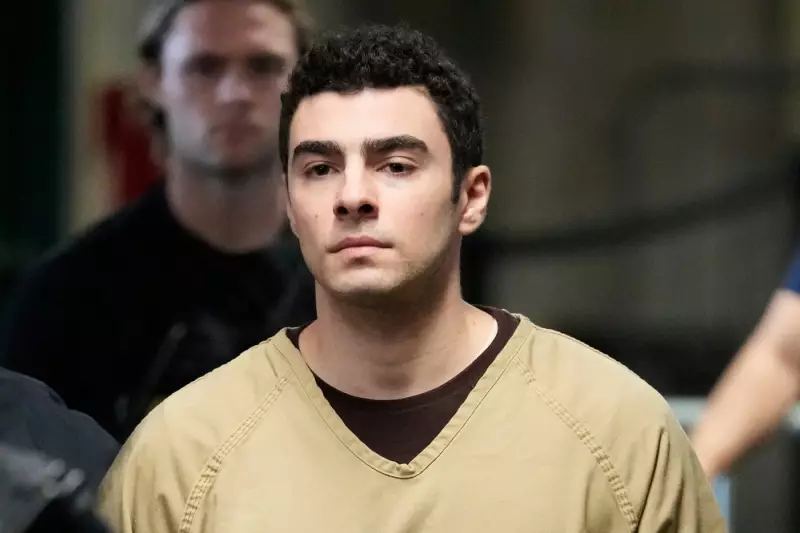
The motion to suppress was filed in Manhattan state court as the case proceeds. Mangione was seen being escorted into the courthouse on September 16, 2025, according to Associated Press file photographs. His defense attorneys are arguing that the evidence in question was obtained improperly and should not be presented to a jury.
While the specific legal arguments for exclusion were not detailed in the initial report, such motions typically centre on Fourth Amendment claims regarding unlawful search and seizure or violations of procedural rights. The success or failure of this motion could significantly alter the prosecution's strategy and the strength of their case.

A Case Remembered as Anniversary Nears
The timing of the legal manoeuvre is notable, coinciding with the nearing anniversary of the CEO's death. The killing sent shockwaves through the corporate and healthcare sectors, drawing national media attention. The victim, whose name is withheld in this report out of respect, led a major national health insurance provider.
The case continues to be a focus for law enforcement and the justice system in New York. The court has not yet set a date for a hearing on the defense's suppression motion, but proceedings are expected to advance in the coming weeks.
What Comes Next in the Legal Process
The judge presiding over the case will review the defense's filings and the prosecution's response. A ruling on the admissibility of the gun and the notes will be a pivotal moment, potentially shaping the narrative of the trial. If the evidence is excluded, the prosecution may have to rely more heavily on circumstantial or witness testimony.
Public records indicate the investigation was extensive, and the evidence now under challenge is likely central to the state's argument. Observers of the case will be watching closely for the court's decision, which will be a major step toward a trial that is anticipated to be lengthy and complex.