MAID Advocate Warns Parliament: Excluding Mentally Ill from Assisted Suicide Could Lead to More Suicides
A prominent advocate for Medical Assistance in Dying (MAID) has delivered a stark warning to Canadian parliamentarians: if the federal government continues to exclude individuals with mental illness from accessing assisted suicide, the result will likely be an increase in suicides among this vulnerable population.
Parliamentary Testimony Raises Critical Questions
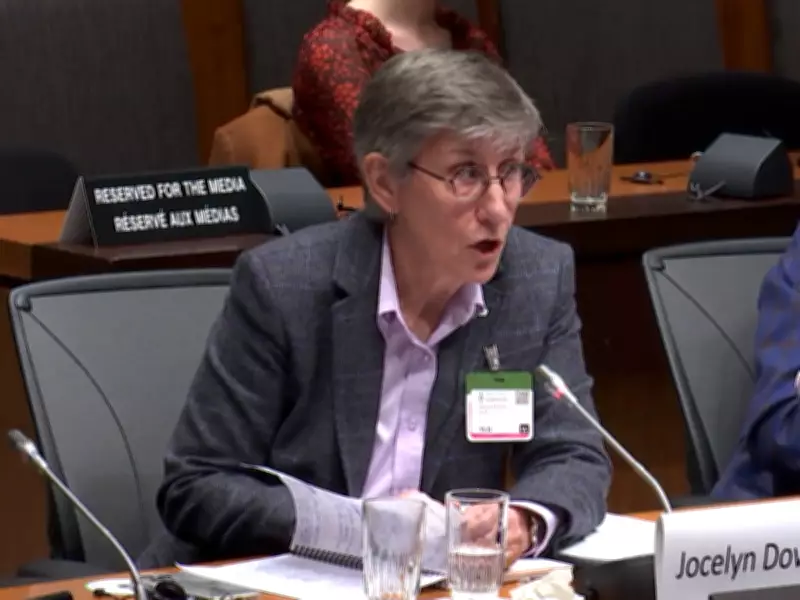
Jocelyn Downie, a leading MAID activist since 2004, made this argument during testimony before the Special Joint Committee on Medical Assistance in Dying on March 24. The committee was specifically examining the potential legalization of MAID for Canadians whose "sole underlying medical condition is a mental illness."
"What will happen, if there is an extension or an exclusion, is that people will die by suicide," Downie told the parliamentary committee, emphasizing the potential consequences of maintaining current restrictions.

Historical Context: The Argument's Roots in Canadian Jurisprudence
This argument is not new to Canadian assisted suicide policy. In fact, it has been central to the legal framework since the landmark 2015 Supreme Court decision in Carter v. Canada, which struck down Criminal Code sanctions against physician-assisted suicide. Downie was directly involved in litigating this pivotal case.
The Supreme Court ruled that Canada's ban on euthanasia violated the Charter right to "life, liberty and security of the person." The court accepted the argument that "the prohibition on physician-assisted dying had the effect of forcing some individuals to take their own lives prematurely," thereby depriving them of life.
The majority opinion stated clearly: "It is therefore established that the prohibition deprives some individuals of life."
Quebec Superior Court Reinforces the Position
This reasoning gained further prominence in a 2019 Quebec Superior Court decision that ruled it was unconstitutional for Canada to limit euthanasia to those with terminal illnesses. Canada's first MAID law, which came into force in June 2016, had restricted the practice to those whose death was "reasonably foreseeable."
The Quebec court argued this limitation also violated the right to "life, liberty and security of the person." The case centered on Jean Truchon, a Montreal man with a degenerative illness who had openly declared his intention to take his own life if denied MAID approval.
The court documented Truchon's various contemplated suicide methods, including:
- Fasting to death
- Drowning himself
- Throwing his wheelchair in front of a bus
- Purchasing street drugs for a lethal overdose
The decision noted Truchon's fear that drug dealers might steal his money without providing the lethal substance he sought. Ultimately, the court determined that federal sanctions against Truchon seeking a premature death violated his "right to life."
Ongoing Parliamentary Debate
As parliamentarians continue to debate expanding MAID eligibility to include those with mental illness as their sole underlying condition, Downie's testimony highlights the complex ethical and legal questions at stake. The argument that restricting access to assisted suicide may paradoxically lead to more suicides remains a central, though controversial, pillar of Canadian euthanasia policy discussions.
The parliamentary committee's deliberations come at a critical juncture, with advocates warning that continued exclusion of mentally ill Canadians from MAID could have unintended, tragic consequences.