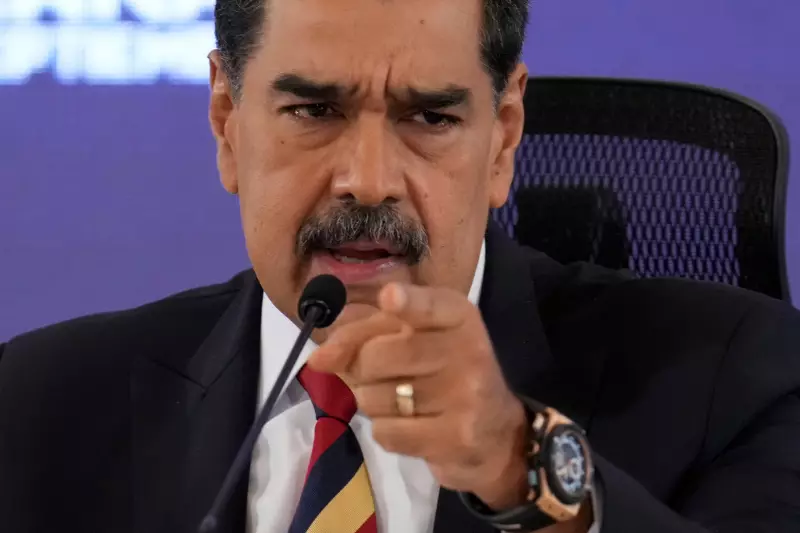
Venezuelan President Nicolás Maduro has entered a plea of not guilty in a United States federal court, following his dramatic capture by the administration of U.S. President Donald Trump. The initial court appearance, which occurred on January 05, 2026, sets the stage for a complex legal and geopolitical battle with profound international implications.
A Not Guilty Plea and a Claim of 'Capture'
During the proceedings, Maduro directly addressed the judge, asserting that he was not brought to the U.S. through legal extradition but was instead 'captured'. This framing immediately raises significant questions about the circumstances of his apprehension and the legal authority under which the Trump administration acted. The plea sets in motion a judicial process that will scrutinize the charges against the Venezuelan leader, whose government has long been at odds with Washington.
The Noriega Precedent: A Legal Roadmap
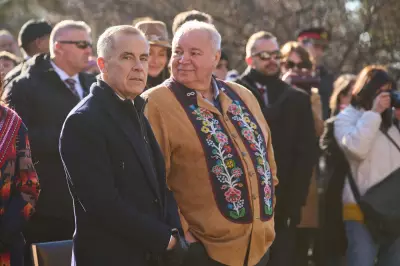
As the world watches, legal analysts are looking to historical parallels to understand how the case might unfold. Former Canadian Minister of Public Safety and legal expert Marco Mendicino points to the precedent set by Manuel Noriega, the former Panamanian dictator. Noriega was captured by U.S. forces in 1989 during Operation Just Cause, brought to the United States, tried on drug trafficking charges, and ultimately convicted.

This precedent is critical for several reasons. It established that the U.S. courts have jurisdiction to try a foreign head of state captured by military action. The Noriega case also navigated complex issues of sovereign immunity and the legality of the initial capture. Mendicino suggests that Maduro's defense will likely challenge the court's jurisdiction using similar arguments, while prosecutors will lean on the Noriega case to justify their proceedings.
International Reaction and Domestic Fallout
The action has sparked immediate and fierce reactions globally and within North America. Protesters in various cities, including demonstrations noted in Canada, have rallied under banners declaring 'Hands off Venezuela,' calling the Trump administration's move 'extremely disturbing.' This sentiment reflects deep concerns about sovereignty, international law, and the precedent of forcibly removing a foreign leader.
The capture also directly impacts international relations and energy markets. Analysts note that the Trump administration has signaled a desire to access Venezuela's vast oil reserves, a move that could reshape global energy dynamics. The legal case against Maduro is therefore not occurring in a vacuum but is intertwined with significant economic and strategic interests.
As the case progresses, the world will be watching to see if the U.S. courts follow the path charted by the Noriega trial or if new legal territory is forged. The outcome will have lasting repercussions for international law, the principle of sovereign immunity, and the future of U.S.-Latin American relations. The plea of not guilty marks only the beginning of a long and closely watched legal journey.