A stark legal analysis from a Canadian perspective asserts the fatal shooting of a Minnesota mother by a U.S. immigration officer last week cannot be justified as self-defence, despite attempts by Trump administration officials to frame it as such.
The Legal Standard: Imminent Threat Required
While subtle differences exist between Canadian and American jurisprudence, the core legal principle of self-defence is consistent across the border. The law is clear: the use of deadly force is only permissible when a person faces an imminent threat to their life. This fundamental standard forms the basis for examining the events of January 7, 2026, in Minneapolis.
According to the analysis, what transpired that morning involving 33-year-old Renee Nicole Good, a mother of three, falls far short of meeting this legal threshold. The author contends that anyone reviewing the circulating videos with impartiality would reach the same conclusion.

Contrasting Narratives: Protest vs. Terrorism
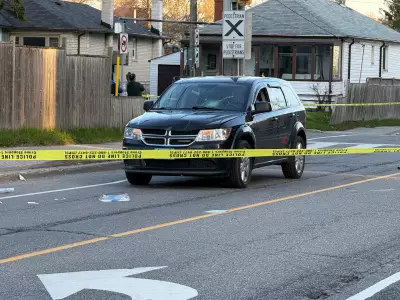
The incident occurred during an Immigration and Customs Enforcement (ICE) operation in Good's neighbourhood. After dropping her six-year-old son at school, Good positioned her Honda Pilot SUV perpendicular to a roadway, partially impeding the path of ICE vehicles.
Cellphone video recorded by the officer who later shot her shows a calm interaction. Good is heard telling the agent, "That's fine, dude. I'm not mad at you," in a friendly tone while keeping both hands visible on the steering wheel. The legal expert acknowledges Good was likely committing obstruction through an act of passive resistance, a common protest tactic against perceived government overreach.
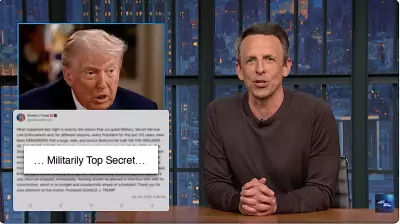
However, this narrative sharply contrasts with the characterization from U.S. Department of Homeland Security Secretary Kristi Noem. Following the shooting, Noem labelled Good's actions as "domestic terrorism." The analysis forcefully challenges this label, questioning what act of terrorism was committed by a woman sitting calmly in her vehicle.
The Fatal Escalation and Unanswered Questions
The situation escalated when two additional ICE agents arrived and attempted to get Good to exit her vehicle. Video footage shows Good steering her vehicle to the right and beginning to accelerate away as the officer moved to the left of her field of view. It was at this moment the shooting occurred.
The article highlights Noem's own contradictory statements. While she warned of consequences for those who impede operations, she prefaced it by saying, "If they conduct violent activities against law enforcement..." The expert argues that Good's passive obstruction was a "far cry" from violent activity that could warrant a lethal response.
The piece concludes that while police and federal officers have some latitude in using force, it does not justify what is described as the "cold-blooded killing" of someone engaged in passive protest. The analysis serves as a critical examination of the widening gap between the legal definition of self-defence and the political rhetoric used to explain the tragic outcome in Minneapolis.