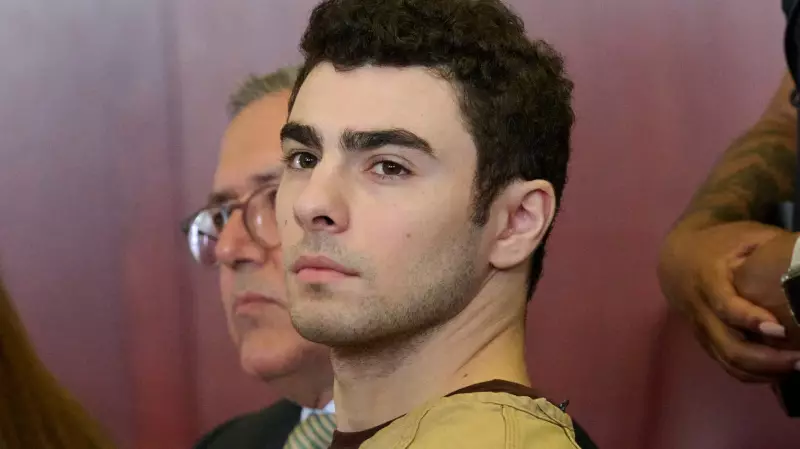
A pivotal pretrial hearing is scheduled for Monday in the high-profile New York case against Luigi Mangione, the man accused of shooting and killing UnitedHealthcare CEO Brian Thompson on a Manhattan street last year.
Dispute Over Evidence and Arrest Procedure
The hearing before New York Supreme Court Judge Gregory Carro will focus heavily on the circumstances of Mangione's arrest in rural Pennsylvania. Mangione's defense team contends that local police improperly searched him and seized his belongings before obtaining a necessary warrant. They are now seeking to have key evidence barred from the upcoming trial.
That evidence includes a red notebook and other writings allegedly found in Mangione's backpack, which prosecutors say reference the killing. In recent court filings, the defense argued that introducing these items at the hearing would make their contents public and "irreparably prejudice" Mangione's right to a fair trial in his multiple upcoming court cases.

The "Manifesto" and Witness Arguments
Notably, the defense also wants Judge Carro to prevent prosecutors from labelling any of the writings as a "manifesto." They call it a "prejudicial, invented law-enforcement label." Despite these efforts, some writings have already entered the public domain, published on Substack and cited in court documents following Mangione's arrest.
To support their arguments, the defense plans to call two witnesses from the Altoona Police Department in Pennsylvania during this week's hearing. The judge faces a complex decision: he could agree the items were seized improperly but still allow them as evidence if he believes they would have been discovered legally regardless.
A Case with Dual Jurisdiction and High Stakes
The 27-year-old Mangione faces charges for Thompson's December 4th murder at both the state and federal levels. The federal charges carry the possibility of the death penalty. Thompson was killed outside his midtown Manhattan hotel, sparking a massive manhunt that ended five days later with Mangione's arrest at a McDonald's in Pennsylvania.
While the federal case involves higher potential penalties, the state prosecution is moving more quickly and could proceed to trial as early as next year. Monday's hearing represents a critical step in determining what evidence will be permissible when that trial begins.