U.S. Justice Department Admits ICE Error in Immigration Lawsuit Filing
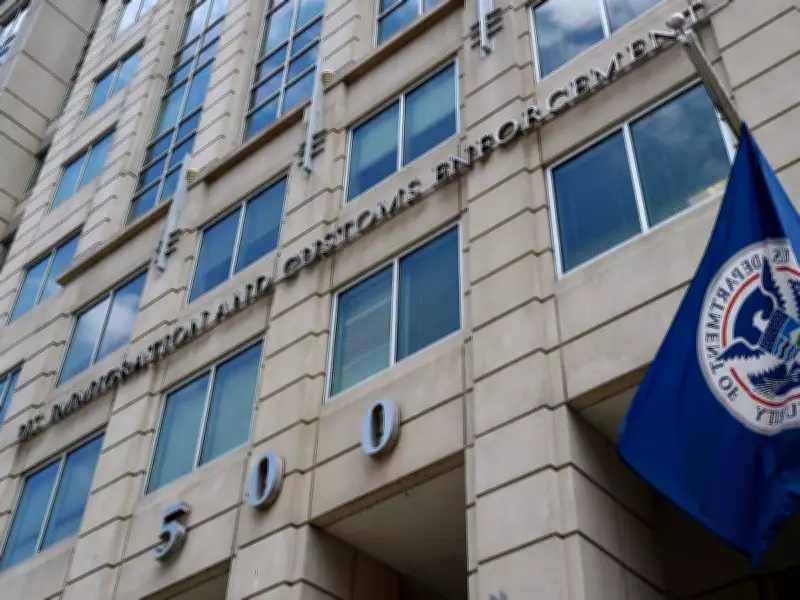
In a significant legal development, the U.S. Justice Department has formally admitted to a critical error in an ongoing immigration lawsuit, attributing the mistake to incorrect information provided by Immigration and Customs Enforcement (ICE). This admission was made in a court filing on Tuesday, March 26, 2026, before U.S. District Judge Kevin Castel in New York, and could have profound implications for the case.
Error in Justifying Civil Arrests at Courts
The U.S. attorney’s office in Manhattan revealed that it had relied on a May 2025 ICE memo to defend civil arrests of migrants at courthouses, including immigration courts. However, the Justice Department now states that ICE has clarified the memo does not and never did apply to immigration courts, leading to the withdrawal of arguments made over the past year. This error emerged late in the litigation process, after both parties had invested substantial resources.
In a letter to Judge Castel, Justice Department lawyers expressed deep regret, noting, "We deeply regret that this error has come to light at this late stage after the parties have expended significant resources and time to litigate this case." The filing is part of a lawsuit brought by advocacy groups challenging the legality of such arrests at immigration courts, which they argue violate due process and civil rights.

Potential Consequences for the Government's Case
Lawyers for the advocacy groups described the admission as "extraordinary" and warned it could have "far-reaching" consequences. They pointed out that Judge Castel had previously denied a request to temporarily block the arrest policy in September, relying on the government's now-retracted representations. As a result, the Justice Department acknowledged that the September decision "will need to be reconsidered and re-briefed" as the court evaluates the merits of the lawsuit.
Despite this setback, the Justice Department emphasized that it is not abandoning its defense entirely. The government plans to continue contesting the lawsuit, but the error could weaken its position and delay proceedings. This case highlights ongoing tensions in U.S. immigration enforcement and the legal challenges surrounding agency policies.
Broader Context and Implications
This incident underscores the complexities of immigration law and the potential for bureaucratic missteps to impact judicial outcomes. It follows other high-profile immigration cases, such as recent lawsuits over deportations and profiling bans, reflecting a contentious legal landscape. The error may prompt calls for greater transparency and accuracy in government communications, particularly in sensitive areas like immigration enforcement.
As the lawsuit progresses, stakeholders will closely watch how this admission affects the court's rulings and whether it leads to policy changes. The Justice Department's response and ICE's role in providing accurate information will be critical factors in resolving this dispute and ensuring fair legal processes for migrants.