What the Jury Didn't Hear at Janson Baker's Double-Murder Trial
In a revealing examination of the judicial process, new details have emerged about what the jury was not permitted to hear during the high-profile double-murder trial of Janson Bryan Baker in New Brunswick. The trial, which concluded with significant public attention, involved critical evidence and background information that remained outside the courtroom's official record, raising questions about transparency and the completeness of the jury's decision-making process.
Evidence Excluded from Proceedings
According to legal sources familiar with the case, several pieces of potentially relevant evidence were deemed inadmissible by the presiding judge. This included prior interactions between Baker and the victims, which prosecutors argued established motive but were excluded due to concerns about prejudice. Additionally, forensic reports detailing alternative interpretations of crime scene evidence were not presented to the jury, limiting their understanding of the scientific complexities involved.
The defense team also faced restrictions, unable to introduce testimony regarding Baker's mental state at the time of the alleged crimes. Expert psychological evaluations suggesting mitigating factors were barred, leaving the jury without a full picture of the defendant's background and potential influences on his actions. This omission has sparked debate among legal experts about the balance between procedural fairness and comprehensive fact-finding.

Background Context Withheld
Beyond specific evidence, the jury was unaware of broader contextual elements that might have informed their deliberations. These included:
- Previous police investigations involving Baker that did not result in charges, which could have illustrated patterns of behavior.
- Community impact statements from individuals not directly connected to the case but affected by the crimes, highlighting the societal repercussions.
- Details about the victims' lives and contributions, which were limited to basic biographical information to avoid emotional sway.
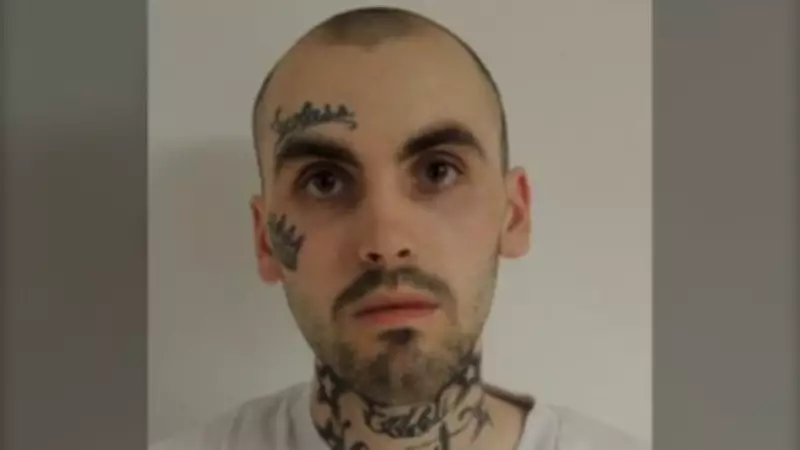
This selective presentation of information is standard in criminal trials to ensure a focus on legally admissible facts, but it inevitably creates gaps in the narrative available to jurors. The New Brunswick RCMP, which provided the 2021 image of Baker used in media coverage, has declined to comment on the excluded materials, citing ongoing legal protocols.
Implications for Justice and Public Perception
The revelation of what the jury didn't hear underscores the inherent limitations of the trial system. While designed to protect defendants' rights and prevent miscarriages of justice, these exclusions can lead to public misunderstanding when verdicts are delivered. In Baker's case, the outcome has been scrutinized by observers who question whether the full story was ever told in court.
Legal analysts emphasize that such omissions are not necessarily indicative of flaws in the trial but reflect the rigorous standards of evidence admissibility. However, they acknowledge that this can create a disconnect between the legal truth established in court and the comprehensive reality of the events. As New Brunswick continues to grapple with the aftermath of this double-murder case, these insights into the unseen aspects of the trial offer a deeper perspective on the complexities of criminal justice.