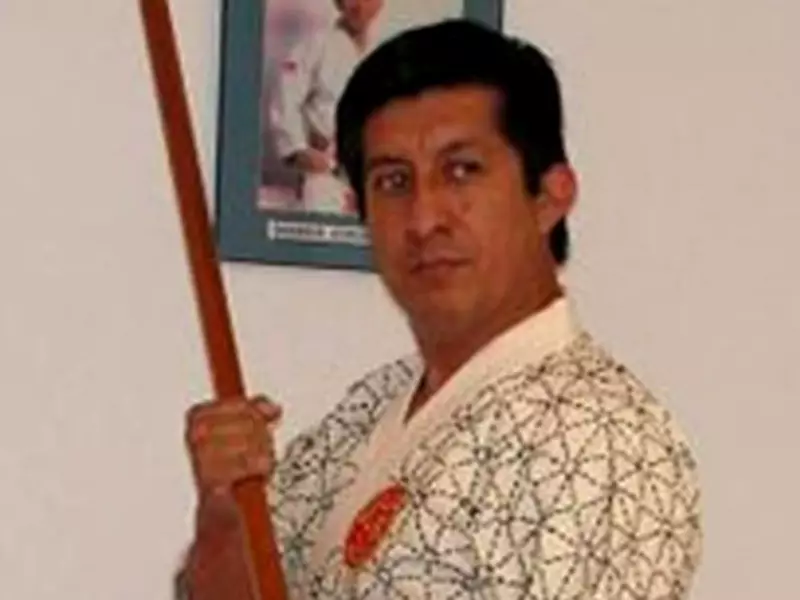
Federal Judge Strips Citizenship Over Guatemalan Massacre Involvement
In an exceptional ruling, a Federal Court justice has revoked the Canadian citizenship of a man found to have participated in a horrific massacre in Guatemala over four decades ago. The decision brings closure to a nearly nine-year legal battle and highlights Canada's commitment to addressing grave human rights violations.
Decades-Old Atrocities Come to Light
Federal Court Justice Roger Lafrenière published a comprehensive 136-page decision that details the brutal 1982 Las Dos Erres massacre in Guatemala. The ruling describes how Jorge Vinicio Sosa Orantes, as fourth in command of an elite Guatemalan special forces unit called the Kaibiles, participated in the systematic destruction of a village of approximately 200 residents.
The judge determined that Sosa both murdered civilians directly and ordered the killing of others during the hours-long attack. The massacre occurred during Guatemala's decades-long civil war after military forces failed to locate 21 weapons allegedly stolen by guerrilla fighters and purportedly hidden in the village.

Concealment and Deception Uncovered
Justice Lafrenière found that Sosa deliberately concealed his military background and role in the massacre when applying for refugee status and later Canadian citizenship. The judge noted that Sosa obtained his citizenship through "subterfuge" in 1992 by lying about his involvement with the Guatemalan military and his participation in the atrocities.
"I find those killings were done under the watch and orders of Mr. Sosa," Justice Lafrenière wrote in his decision, referencing testimony about the systematic murder of villagers.
Graphic Testimony Reveals Extreme Cruelty
The court heard harrowing accounts of the massacre from multiple sources, including one of only two survivors, two of Sosa's former military colleagues who witnessed the events, and eight expert witnesses or Canadian immigration officials. Testimony described children being smashed against trees, infants thrown into wells to drown, and widespread sexual violence against women.
One former colleague testified that Sosa taught torture methods on live victims at a practice zone ominously called the "zombie area." The judge's ruling recounts how Sosa personally shot a man and threw a grenade into a well to silence the cries of civilians left to die.
Legal Consequences and Financial Penalties
In addition to revoking Sosa's 34-year-old citizenship and declaring him inadmissible to Canada, Justice Lafrenière ordered Sosa to pay nearly a quarter million dollars to cover the federal government's legal costs. The extensive trial required arranging international testimony and expert analysis to establish the facts of the four-decade-old crimes.
The judge emphasized the exceptional nature of citizenship revocation in Canadian law, noting that such actions are reserved for the most serious cases involving deception about grave human rights violations.
Historical Context and Investigation
The Las Dos Erres massacre represents one of the darkest chapters of Guatemala's civil war, which lasted from 1960 to 1996. A decade after the atrocities, investigators exhumed the remains of at least 162 people from the village well, with children under twelve and women found at the bottom of the mass grave.
Justice Lafrenière's decision serves as both a legal judgment and historical record, documenting war crimes that effectively wiped an entire community off the map. The ruling demonstrates Canada's judicial system addressing international human rights violations even when they occurred decades ago and in another country.