Judge Approves Videolink Testimony in Prince Harry's High-Profile Privacy Case
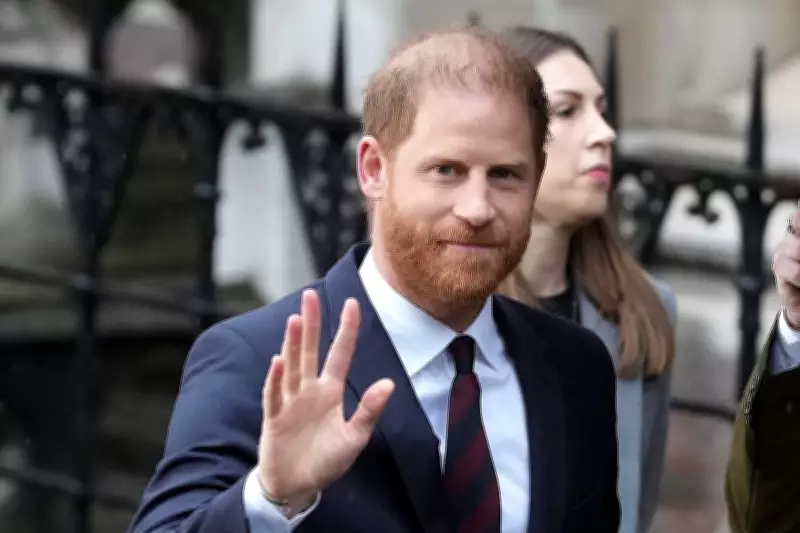
In a significant development for the ongoing legal battle involving Britain's Prince Harry, a High Court judge has granted permission for a key witness to give evidence via videolink. This ruling comes as part of a major trial where Prince Harry is leading a group of high-profile individuals, including celebrities like Elton John and Elizabeth Hurley, in a lawsuit against the publisher of the Daily Mail.
The Core Allegations and Legal Proceedings
The plaintiffs accuse Associated Newspapers, the publisher of the Daily Mail, of engaging in unlawful tactics that invaded their privacy. These allegations are connected to the wider phone hacking scandal that has rocked British media for years. The trial represents one of the most substantial legal challenges to media practices in recent history, with Prince Harry taking a prominent role as both plaintiff and public figure advocating for privacy rights.
The judge's decision to allow videolink testimony demonstrates the court's adaptability in handling complex cases involving international witnesses or those unable to attend in person. This procedural move ensures that crucial evidence can be presented without logistical barriers potentially hindering the pursuit of justice.

Context of the Broader Phone Hacking Scandal
This trial is not an isolated incident but rather part of a sweeping investigation into media ethics and privacy violations that has implicated numerous British publications over the past decade. The original phone hacking scandal, which primarily involved the now-defunct News of the World, revealed systematic invasions of privacy through illegal interception of voicemails, leading to multiple convictions, public inquiries, and substantial damages paid to victims.
Prince Harry's involvement brings renewed attention to these issues, particularly as he has been vocal about media intrusion throughout his life. His participation in this lawsuit aligns with his broader advocacy for mental health and privacy protections, especially following his and Meghan Markle's decision to step back from royal duties, partly citing media harassment.
Implications for Media Accountability
The outcome of this trial could have far-reaching consequences for how British media organizations operate and are regulated. A ruling in favor of Prince Harry and the other plaintiffs might establish stronger precedents for privacy protections against journalistic overreach. Conversely, the defense is likely to argue that the publications' actions were in the public interest, a common justification in media law.
The use of videolink testimony highlights how technology is increasingly integrated into legal proceedings, allowing for more flexible and accessible justice. This approach can be particularly valuable in cases involving sensitive information or witnesses who may face intimidation or other pressures.
As the trial progresses, legal experts will be watching closely to see how this evidence influences the court's findings. The combination of high-profile plaintiffs, serious allegations, and now innovative procedural decisions makes this one of the most closely watched legal cases in recent British history.