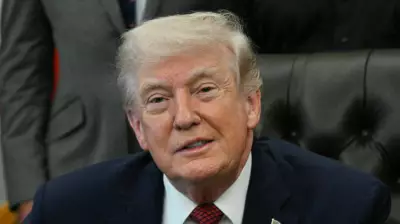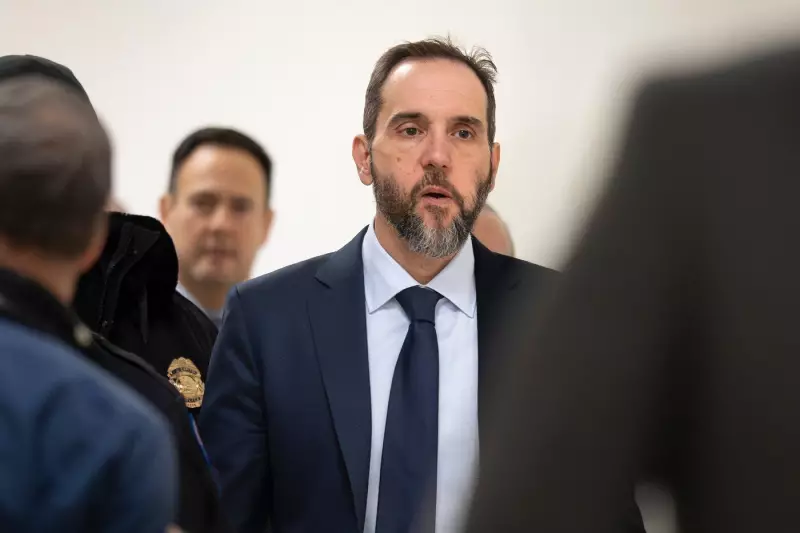
In a high-stakes congressional appearance, former Department of Justice Special Counsel Jack Smith delivered a significant statement to lawmakers, asserting his investigative team had developed evidence against former President Donald Trump that met the highest legal standard.
Compelled Testimony on Capitol Hill
Jack Smith arrived under subpoena for a deposition before the House Judiciary Committee on Wednesday, December 17, 2025. The session was part of the committee's ongoing oversight of the Justice Department's investigations into the former president. Smith's compelled appearance on Capitol Hill in Washington, D.C., marked a pivotal moment in the political and legal saga.
The special counsel, who led the federal probes, was direct in his assessment during the questioning. He informed the committee that the evidence gathered by his team constituted 'proof beyond a reasonable doubt' regarding the allegations against Trump. This phrase represents the formidable burden of proof required for a criminal conviction in the United States judicial system.

The Legal and Political Implications
Smith's testimony places a formal, on-the-record assertion before the legislative branch about the strength of the now-concluded investigation. By stating his team had reached this threshold, he effectively defended the rigor and conclusions of the probe amidst intense political scrutiny from the Republican-led committee.
The deposition underscores the continuing fallout and deep national divisions surrounding the legal challenges faced by the former president. The House Judiciary Committee's oversight investigation aims to examine the conduct and decision-making of the Justice Department under the previous administration, making Smith a central witness.
A Defining Moment in Ongoing Oversight
The December 17th hearing adds a critical chapter to the story. While the details of the specific evidence were likely discussed in a closed setting or remain protected, Smith's public declaration about the standard of proof achieved is a powerful legal claim. It sets the stage for further political debate and historical analysis of the investigations that have dominated the American landscape for years.
This congressional testimony does not equate to a judicial finding of guilt, but it represents a stark assertion from the former special counsel about the perceived strength of the case his office built. The event highlights the complex intersection of law, politics, and oversight in the post-presidency of Donald Trump.