Nobel Laureate Narges Mohammadi Sentenced to Over Seven Years in Iranian Prison
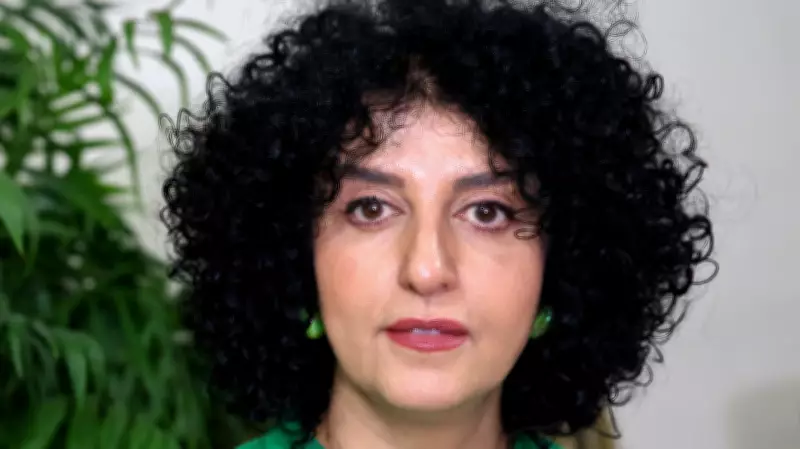
Iran has handed down a new prison sentence exceeding seven years to Nobel Peace Prize laureate Narges Mohammadi, according to her supporters. The verdict was issued by a Revolutionary Court in Mashhad on Saturday, as reported by her lawyer, Mostafa Nili, on social media platform X. This development occurs amidst a severe government crackdown on dissent following widespread protests and significant casualties involving security forces.
Details of the Conviction and Legal Proceedings
Mohammadi received a six-year term for charges labeled as "gathering and collusion," alongside an additional one and a half years for propaganda activities. The court also imposed a two-year travel ban and sentenced her to two years of internal exile in Khosf, located approximately 740 kilometers southeast of Tehran. Revolutionary Courts in Iran are notorious for conducting trials with minimal transparency and offering defendants little opportunity to challenge accusations.
Agnes Callamard, Secretary-General of Amnesty International, condemned the ruling on X, describing it as "a reflection of the skyrocketing lethal repression against dissent and protests waged by the authorities." Iranian officials have not publicly acknowledged the sentence. Mohammadi had been on a hunger strike since February 2, which she ended on Sunday due to deteriorating health conditions following the sentencing.

Mohammadi's Activism and Previous Legal Troubles
Narges Mohammadi, aged 53, has long been a symbol of resistance for Iranian activists advocating for women's rights and freedom. She was arrested in December at a ceremony honoring Khosrow Alikordi, a human rights lawyer based in Mashhad. Footage from the event captured her demanding justice for Alikordi and others.
Prior to this arrest, Mohammadi had been serving a sentence of 13 years and nine months for charges related to collusion against state security and propaganda against the government. She had been granted a medical furlough in December 2024, which unexpectedly extended, possibly due to international pressure. Despite her precarious health, which includes a history of multiple heart attacks and a bone lesion surgery in 2024, she continued her activism through public protests and media engagements, even demonstrating outside Tehran's Evin prison where she was previously held.
Mohammadi has been a vocal supporter of the nationwide protests ignited by the 2022 death of Mahsa Amini, during which women openly defied hijab mandates. Her lawyer, Mostafa Nili, expressed hope for her temporary release on bail for medical treatment, but Iranian authorities have signaled a harsher stance against dissent. Judiciary chief Gholamhossein Mohseni-Ejei recently warned of severe prison sentences for critics, stating that former revolutionaries now opposing the government would face significant consequences.
Broader Context: Nuclear Tensions and Diplomatic Posturing
The sentencing coincides with heightened nuclear negotiations between Iran and the United States, aimed at averting potential military action. Foreign Minister Abbas Araghchi, addressing diplomats in Tehran, emphasized Iran's resolve to maintain uranium enrichment capabilities, a major point of contention with the U.S. He framed Iran's strength as the ability to "say no to the great powers," using the term "atomic bomb" rhetorically to describe this defiance.
While Iran insists its nuclear program is peaceful, Western nations and the International Atomic Energy Agency have raised concerns about past military ambitions. Iran currently enriches uranium to 60% purity, nearing weapons-grade levels, and has issued warnings about rocket launches in Semnan province, potentially marking the anniversary of the 1979 Islamic Revolution.
U.S. President Donald Trump has noted Iran's apparent eagerness for a deal, but diplomatic challenges persist. The U.S. has deployed military assets, including the USS Abraham Lincoln, to the Middle East to pressure Iran, while Israeli Prime Minister Benjamin Netanyahu plans discussions in Washington focused on Iranian threats. As negotiations remain uncertain, the plight of Narges Mohammadi underscores the intense domestic repression and international tensions defining Iran's current landscape.