A pivotal coroner's inquest into the death of Myles Gray, who died after a violent confrontation with several Vancouver police officers in 2015, is scheduled to commence next week. The proceedings, announced for the week of January 12, 2026, mark a significant step in a case that has spanned over a decade, seeking answers and accountability.
A Decade-Long Wait for Answers
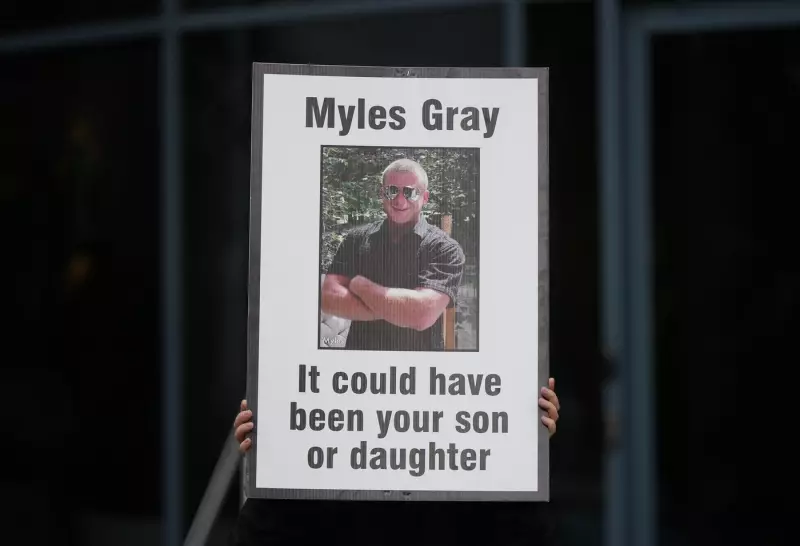
The inquest will formally examine the circumstances surrounding the death of Myles Gray on August 13, 2015. The 33-year-old man died following an altercation with multiple officers from the Vancouver Police Department in Burnaby, B.C. The case has been a focal point for community advocates and Gray's family, who have long sought a public airing of the facts. A photo of Gray was held high by supporters at the start of a previous phase of the inquest in Burnaby on April 17, 2023, symbolizing the prolonged quest for justice.
Scrutiny of Police Actions and Procedures
The coroner's inquest is a fact-finding process, not a criminal trial, but it will place police actions under a microscope. A jury will hear evidence to determine the facts of Gray's death, including the sequence of events, the nature of the confrontation, and the cause of death. The proceedings are expected to scrutinize police use of force, crisis intervention protocols, and subsequent investigative processes. The goal is to establish what happened and, if possible, to make recommendations aimed at preventing similar tragedies in the future.

Broader Context and Community Impact
The death of Myles Gray has resonated deeply within British Columbia and across Canada, contributing to ongoing national conversations about police accountability and reform. The start of this inquest next week represents a critical moment for Gray's family and for public trust in law enforcement institutions. While the inquest cannot assign criminal or civil liability, its findings and any resulting recommendations could have significant implications for police training, oversight, and transparency in cases involving in-custody deaths or serious injuries.
The commencement of this hearing underscores the lengthy and often arduous path families face in seeking official answers following fatal encounters with police. The eyes of the community will be on the proceedings as they unfold, hoping for clarity and meaningful steps toward systemic change.