For nearly a year, the administration of U.S. President Donald Trump has conducted an aggressive campaign aimed at crippling the International Criminal Court (ICC), particularly its investigation into the war in Gaza. This week, however, signals emerged that Trump's objective of halting the court's work remains elusive.
A Court Under Pressure, But Unbowed
Officials from the ICC's 125 member states convened in The Hague for their first annual assembly since the U.S. began imposing sanctions that have upended the lives of court personnel and their associates. Far from capitulating, these governments have reiterated their refusal to concede to American demands. Instead, they have issued statements affirming the court's mandate to continue its functions, which includes pursuing Israeli officials for alleged crimes in Gaza.
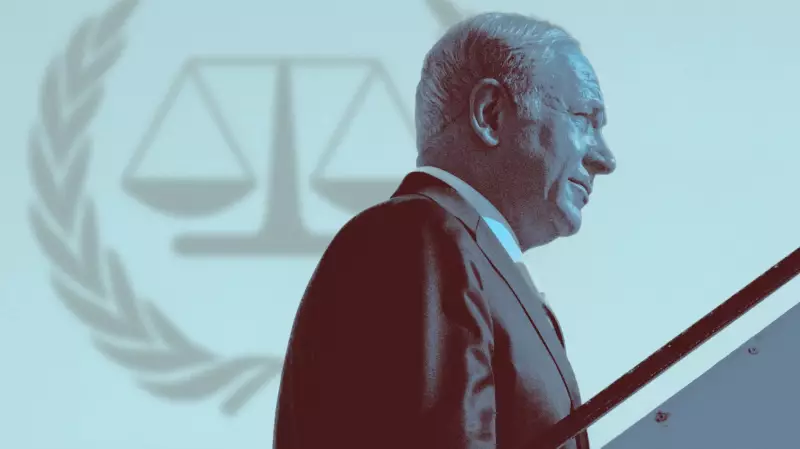
In late 2024, the ICC issued arrest warrants for Israeli Prime Minister Benjamin Netanyahu and former Defense Minister Yoav Gallant over alleged war crimes and crimes against humanity in Gaza. These warrants remain active, despite denials of criminality from both men. Israel argues that alleged misconduct by the ICC prosecutor—which he denies—should invalidate the warrants, but the court has shown no indication of finding a legal basis to withdraw them.

The assembly also witnessed a tangible demonstration of member state support. On Monday, Germany handed over a Libyan suspect detained in July, providing fresh proof that countries are willing to assist the ICC in holding individuals accountable for atrocities.
"It's been a constructive mood [with] a lot of states leaning in to working together to project a sense of support for the court," said Liz Evenson, international justice director at Human Rights Watch.
An Escalating Sanctions Campaign
While Trump targeted the ICC during his first term over its Afghanistan probe, his second-term approach has been markedly more aggressive. The Trump administration has leveraged America's formidable financial power and threats of further repercussions to hinder the court's operations and create a chilling effect.
This campaign has directly targeted individuals: Trump has now sanctioned three prosecutors, six judges, three Palestinian human rights groups, and UN special rapporteur Francesca Albanese. The sanctions have severe personal and professional consequences, including frozen bank accounts, denial of services from major companies like Amazon and Microsoft, and travel bans to the U.S. This atmosphere has caused anxiety among those connected to the court, leading some to withdraw from war crimes investigations.
"We expect all ICC actions against the United States and our ally Israel... to be terminated [or] all options remain on the table," U.S. State Department legal adviser Reed Rubinstein told member states in July, repeating the U.S. position that the court lacks jurisdiction over non-members like Israel.
Solidarity and the Stakes for Global Justice
In response to the pressure, a notable solidarity has emerged among the court's defenders. Advocates argue that an independent tribunal for atrocities is crucial for global stability and that non-members should not dictate its fate.
"I have never seen in 15 years in The Hague such camaraderie and alignment. Our differences are becoming less important because we know the whole Rome Statute system is being threatened," said Danya Chaikel, representative to the ICC for the International Federation for Human Rights.
The dispute over the Gaza warrants unfolds against the ongoing brutal reality in the region. The ICC judges, in issuing the warrants, cited reasonable grounds to believe that Israel's restrictions on food, water, and medicine for civilians could constitute the war crime of starvation and crimes against humanity. They also pointed to attacks apparently directed at civilians.
Despite a Trump-brokered ceasefire last month, Israeli strikes have continued almost daily. Meanwhile, humanitarian conditions remain dire, with a crippled aid system and approaching winter. Experts argue that without accountability for violations, mechanisms to alleviate suffering will fail.

"The fundamental issue is holding Israel accountable for what they are doing: for their violations of international humanitarian law, for their blockages of humanitarian assistance. Until they are held accountable for that, nothing else is going to work," said Stacy Gilbert, a former State Department emergency response expert who resigned over U.S. Gaza policy.
The ICC's current paradox is stark: its pursuit of accountability in Gaza is both the reason it faces unprecedented attack and the clearest proof of its necessity. As member states rally, the coming months will test whether the court—and the system of international law it represents—can withstand the concerted pressure from one of the world's most powerful nations.