Lindsey Halligan Concludes Controversial Tenure as U.S. Attorney
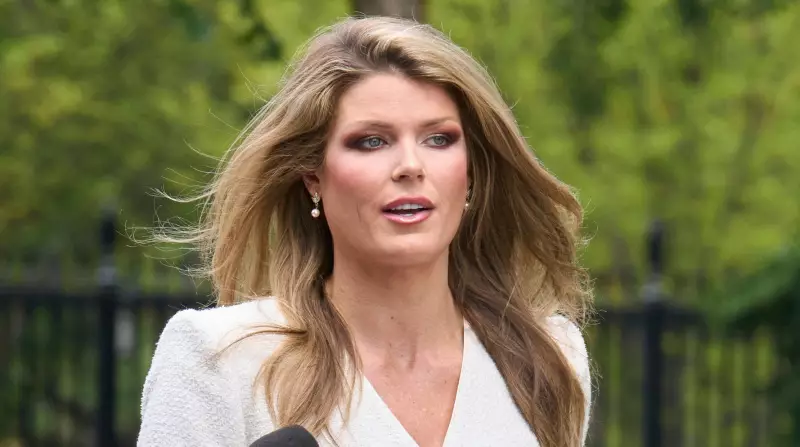
WASHINGTON — Lindsey Halligan, the interim United States attorney for the Eastern District of Virginia whose appointment sparked significant legal controversy, has officially left her position as her 120-day term concluded on Tuesday. Attorney General Pam Bondi announced the departure in a social media post, marking the end of a brief but tumultuous period marked by judicial scrutiny and dismissed indictments.
Judicial Pressure and Legal Challenges
Halligan's exit follows mounting pressure from multiple federal judges who questioned the legality of her continued service. A court ruling two months ago declared her September appointment illegal, casting doubt on her authority. Despite the Trump administration's efforts to maintain her in the role, judges this week made clear that her tenure should end.
In separate orders, Chief Judge M. Hannah Lauck of the Eastern District of Virginia directed the court to publish a vacancy announcement, while U.S. District Judge David Novak took more direct action. Novak ordered the removal of "United States Attorney" from Halligan's signature block on court filings and warned of disciplinary proceedings if she continued to present herself with that title.

"No matter all of her machinations, Ms. Halligan has no legal basis to represent to this Court that she holds the position," Novak wrote in his order. "And any such representation going forward can only be described as a false statement made in direct defiance of valid court orders."
A Controversial Appointment and Short-Lived Prosecutions
Halligan was appointed to the prestigious position despite having no prior experience as a federal prosecutor. A former White House aide and personal lawyer to President Donald Trump, she was tasked with leading one of the Justice Department's most important offices. At Trump's urging, she quickly secured indictments against former FBI Director James Comey and New York Attorney General Letitia James, both perceived adversaries of the president.
However, these prosecutions proved short-lived. In November, U.S. District Judge Cameron McGowan Currie ruled that Halligan's appointment was unlawful and dismissed both cases. The Justice Department has appealed this ruling, but the legal foundation for Halligan's authority had been fundamentally undermined.
Administration Response and Ongoing Tensions
Attorney General Bondi expressed frustration with the outcome, stating in her announcement: "The circumstances that led to this outcome are deeply misguided. We are living in a time when a democratically elected President's ability to staff key law enforcement positions faces serious obstacles."
Judge Novak, however, criticized the Justice Department's defense of Halligan, suggesting that filings by Bondi and Deputy Attorney General Todd Blanche contained "a level of vitriol more appropriate for a cable news talk show" and fell below expected standards of advocacy.
Uncertain Future for Virginia Office
Halligan's departure leaves the U.S. attorney's office for the Eastern District of Virginia in a state of uncertainty. The office has experienced significant turnover since last September when the Trump administration replaced veteran prosecutor Erik Siebert with Halligan. It remains unclear who will now lead this important federal prosecutorial office.
In her own statement, Halligan acknowledged the conclusion of her 120-day term while lamenting what she described as a legal limbo created by conflicting judicial opinions. She noted that judges had "repeatedly treated my appointment as disqualifying" without formally removing her from the position.
Halligan becomes the latest Trump ally to relinquish a position amid judicial scrutiny of the administration's appointment practices. Last month, former Trump attorney Alina Habba resigned after an appeals court determined she had been serving unlawfully in her role.