Family's Promise Fulfilled as Decades-Old Mystery Finally Solved
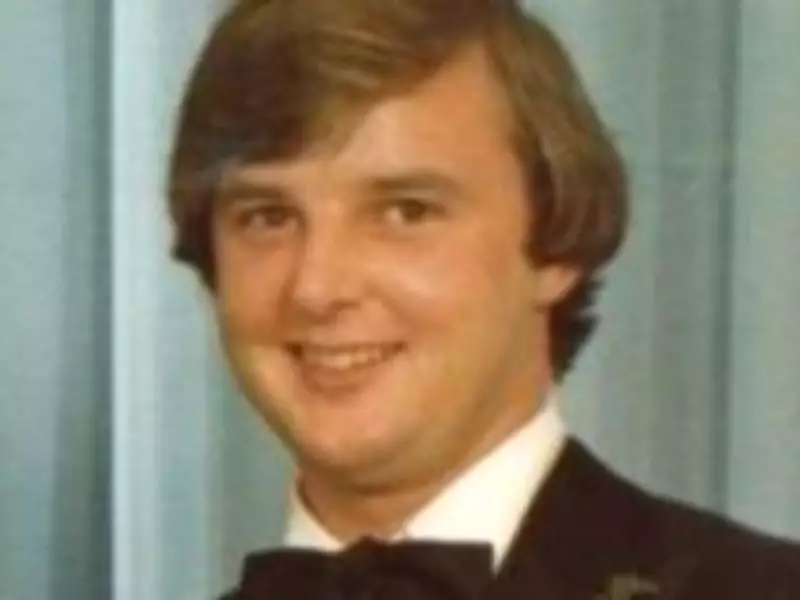
In a poignant conclusion to a nearly half-century search, the remains of George Norman Heys have been positively identified, bringing long-awaited closure to a family that refused to give up hope. The breakthrough came through remarkable cross-border police cooperation and advanced DNA technology, solving a mystery that began in Toronto in 1978.
A Solemn Vow and Unwavering Determination
Kimberly Heys made a final promise to her dying father, John Heys: she would never stop searching for his brother George until he was brought home. That promise, made years ago in Huntsville, Ontario, has now been kept through persistence and modern investigative techniques.
"I kept my word to my dad. I promised him I would not quit until my uncle George was home," Kimberly Heys told The Toronto Sun, expressing both relief and gratitude for the resolution of her family's decades-long ordeal.

The Disappearance That Started It All
On November 28, 1978, 22-year-old George Norman Heys vanished from Toronto without a trace. When his brother John couldn't reach him, he reported the young man missing to Toronto Police Service. The initial investigation yielded no answers, leaving the family with endless questions and no resolution.
Was it voluntary disappearance? Drug-related issues? Suicide? Or something more sinister? The questions haunted the Heys family for decades as traditional investigative methods failed to provide answers.
Cross-Border Breakthrough
The turning point came when remains discovered in March 1979 along the shoreline of Lake Ontario near Oswego, New York, were finally connected to the Canadian missing persons case. For years, these remains had been classified as a "John Doe" despite a postmortem examination.
Detective Sheena Cannon of the Toronto Police Service explained the historical challenges: "Toronto did exhaustive work trying to find out what happened, but the era in which Heys vanished had roadblocks. For most of the past century, cops worked in silos and communication between police services was poor."
The Tattoo That Provided the Clue
A critical piece of evidence emerged from an unexpected source. Detective Sergeant John Chodubski of the Oswego Police Department discovered a misfiled photograph showing a distinctive tattoo—a devil with a pitchfork—that matched descriptions of George Heys's body art.
"We thought it had been in one spot and lost in a flood, but it had been misfiled," Chodubski explained. This discovery prompted authorities to seek approval for exhumation from Riverside Cemetery in Oswego, where they found the body remarkably preserved in a vault rather than a typical wooden coffin.
Modern Technology Bridges the Gap
The investigation gained momentum in April 2024 when Niagara Regional Police Service Missing Persons and Unidentified Remains Coordinator Detective Constable Sara Mummery was contacted by the Heys family. They suggested a possible match between their missing relative and the Oswego John Doe.
DNA samples were submitted to the Royal Canadian Mounted Police National DNA Databank, with profiles successfully uploaded in November 2019. Detectives on both sides of the border developed a strong belief that the unidentified remains belonged to George Heys.
Positive Identification and Emotional Resolution
On January 8, 2026, the RCMP National DNA Databank confirmed through DNA comparison that the remains were indeed those of George Norman Heys. The identification came nearly 48 years after his disappearance, ending one of Ontario's longest-running missing persons cases.
Detective Constable Mummery emphasized the significance of this resolution: "For nearly half a century, this family has endured the pain of not knowing what happened to George. Without the unwavering support of the family and the cooperation of agencies across Canada and the United States, cases like this would not move forward."

A Message of Hope for Other Families
Kimberly Heys has become an advocate for families in similar situations, urging them to submit DNA samples and maintain hope. "One of the things I really want to express to other families in our situation is that it's really important for people to submit their DNA," she emphasized. "And never, ever give up."
The collaborative effort involved multiple agencies including the Niagara Regional Police Service, Oswego Police Department, Oswego County Sheriff's Office, and Toronto Police Service—a testament to how cross-border cooperation can solve even the coldest cases.
As George Norman Heys finally returns home, his story serves as both a cautionary tale about historical investigative limitations and an inspiring example of how persistence and modern technology can bring resolution to families who have waited decades for answers.