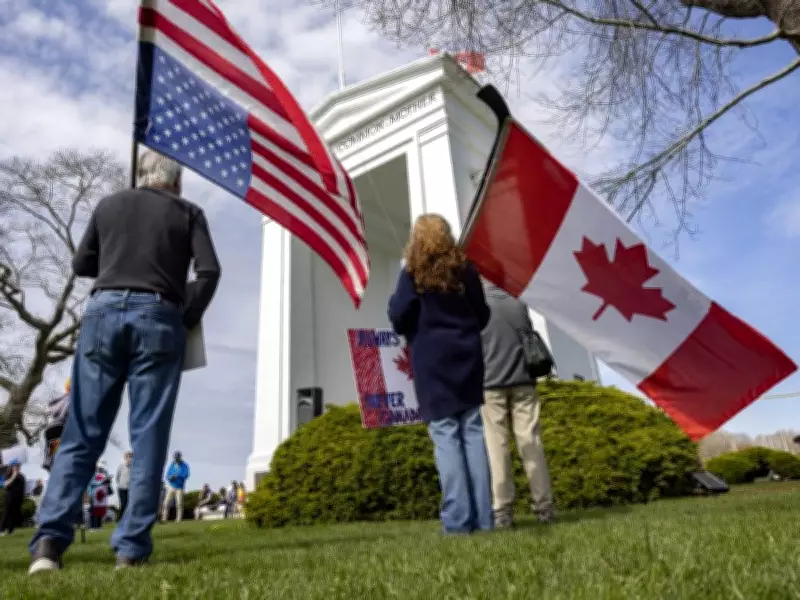
B.C.-U.S. Border Crossings Continue Sharp Decline in January 2026
Cross-border travel from British Columbia to the United States has sustained a significant downward trend, with new data revealing a substantial decrease in southbound traffic during January 2026. The latest figures indicate a continued pattern of British Columbians avoiding travel to their southern neighbor amid ongoing political tensions.
Traffic Data Shows Dramatic Drop
According to recently released statistics from the Whatcom Council of Governments, the four primary border crossings between British Columbia and Washington state experienced a combined 32 percent reduction in southbound travelers during January 2026 compared to the same month in the previous year. The affected points of entry include:
- Peace Arch crossing
- Pacific Highway crossing
- Lynden crossing
- Sumas crossing
The numerical data reveals that January 2026 saw only 108,289 border crossings, representing a substantial decline from 158,766 crossings recorded in January 2025 and 144,066 crossings in January 2024. This translates to approximately 50,000 fewer vehicle crossings compared to the previous year.

Political Tensions Impact Travel Patterns
Multiple factors appear to be contributing to this sustained decline in cross-border movement. Analysts point to various political tensions between Canada and the United States that have influenced travel decisions among British Columbians. These include:
- Policies associated with the current U.S. administration
- Ongoing tariff disputes affecting trade relations
- Controversial statements regarding territorial sovereignty
- Travel restrictions and border security measures
- Concerns about enforcement practices at U.S. border crossings
Many Canadians appear to be expressing their political views through economic means by reducing their travel spending in the United States. This consumer behavior reflects broader dissatisfaction with current bilateral relations.
Economic Consequences for Border Communities
The decline in cross-border traffic has created measurable economic impacts, particularly for businesses in communities near the Canada-U.S. border. A congressional report released in December 2025 by the Democrat minority of the U.S. Congress's Joint Economic Committee highlighted these consequences.
The report noted that Canadian tourism contributed approximately $20.5 billion to the U.S. economy in 2024, supporting around 140,000 American jobs. The document specifically mentioned that border states have experienced particularly negative effects from current trade policies.
In Bellingham, Washington, a survey of 60 local businesses revealed that more than half reported financial losses directly attributable to the decline in visitors from British Columbia. Business owners described the impact as "devastating" for their operations.
Broader Travel Trends and International Context
This border traffic decline is not isolated to British Columbia. Statistics Canada data from January 2026 indicates a nationwide pattern, with November 2025 showing a 23.6 percent decrease in Canadian residents taking return trips to and from the United States compared to the previous year.
Interestingly, the trend is not entirely one-sided. The same data set reveals a nine percent reduction in trips to Canada by U.S. residents during the same period. However, international travel patterns show some countervailing trends, with visits to Canada by overseas residents and Canadian resident return trips from overseas increasing by 13.6 percent in November 2025.
Long-Term Implications and Future Outlook
The World Travel and Tourism Council has identified what it terms the "Trump slump" as an international phenomenon affecting U.S. tourism. The organization projects that if current trends continue, the United States could lose more than $15 billion in tourism revenue during 2026.

British Columbians show little indication of changing their travel behavior in the near future. The sustained decline suggests that political considerations continue to outweigh traditional cross-border travel patterns. Some Vancouver city councillors have even proposed measures to restrict certain U.S. officials from participating in international sporting events in Canada, reflecting the depth of current tensions.
As cross-border relationships evolve, the economic and social connections between British Columbia and Washington state face ongoing challenges. The January 2026 traffic data provides clear evidence that political factors can significantly influence regional travel patterns and economic exchanges between neighboring countries.