Former Funeral Home Owner Confronts Severe Legal Consequences for Distributing Counterfeit Ashes
A former funeral home proprietor in Colorado is confronting the possibility of a two-decade prison term following a disturbing revelation that he supplied grieving families with fraudulent cremated remains instead of the authentic ashes of their deceased relatives. This case has sent shockwaves through the community and raised serious questions about ethical practices within the funeral industry.
Investigation Uncovers Widespread Deception and Improper Storage of Human Remains
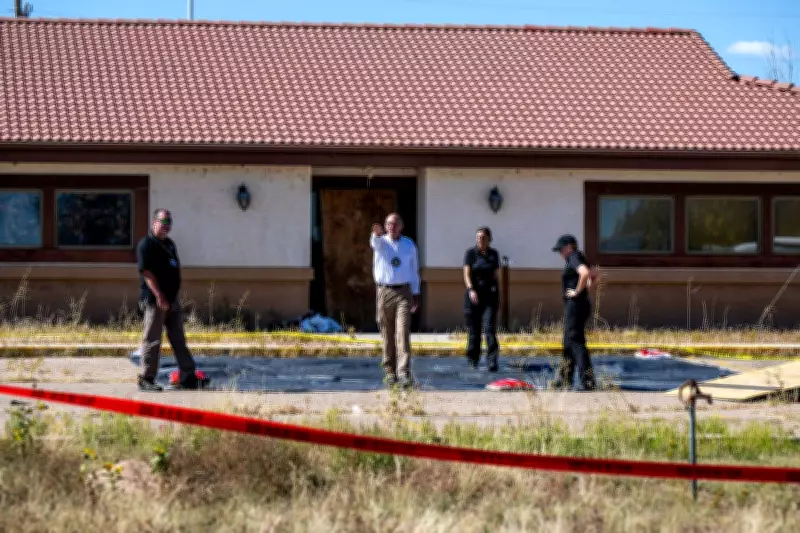
Authorities launched an extensive investigation after receiving multiple complaints from families who suspected irregularities in the handling of their loved ones' remains. The probe centered on the Return to Nature Funeral Home, located in Penrose, Colorado, where over 100 bodies were found to be improperly stored in October 2023. Fremont County Coroner Randy Keller, along with other law enforcement officials, conducted a thorough survey of the premises, which revealed a complete disregard for proper mortuary protocols.
The investigation determined that the former owner had been systematically providing families with fake ashes, while the actual human remains were stored in deplorable conditions. This reprehensible practice not only violated numerous state regulations but also inflicted profound emotional distress on the affected families, who had placed their trust in the funeral home during their most vulnerable moments.

Legal Proceedings and Potential Penalties for the Accused
The former funeral home owner now faces multiple felony charges, including abuse of a corpse, theft, and fraud. If convicted on all counts, the defendant could receive a maximum sentence of 20 years in state prison, along with substantial fines and permanent revocation of any professional licenses. Prosecutors have emphasized the severity of the crimes, noting that the betrayal of trust in such a sensitive context warrants the harshest possible penalties under Colorado law.
Court documents reveal that the scheme involved substituting genuine cremated remains with inert materials, such as concrete dust or powdered stone, which were then presented to families in urns as the ashes of their loved ones. This deception allowed the funeral home to cut costs and maximize profits while completely disregarding the dignity of the deceased and the grief of their survivors.
Broader Implications for Funeral Industry Regulations and Consumer Protection
This case has prompted calls for stricter oversight and enhanced regulatory measures within the funeral services sector. Consumer advocacy groups are urging state legislators to implement more rigorous inspection protocols and mandatory transparency requirements for all funeral homes. Additionally, there is growing demand for standardized procedures to verify the chain of custody for human remains, ensuring that families receive authentic ashes without any doubt or uncertainty.
The emotional toll on the affected families cannot be overstated, as many are now grappling with the realization that they may have been mourning over counterfeit remains. Counseling services and support groups have been mobilized to assist these individuals in processing their trauma and seeking closure. This scandal serves as a stark reminder of the critical importance of ethical conduct in industries that deal with life's most solemn transitions.