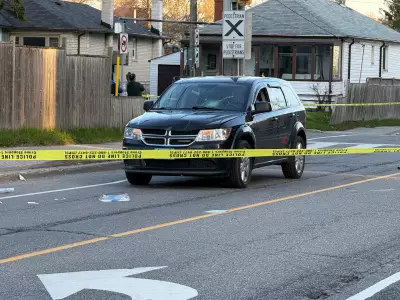
Forensic specialists took the stand this week in a high-profile double-murder trial unfolding at the Moncton Law Courts in New Brunswick. Their testimony is considered pivotal to the prosecution's case as they detailed scientific evidence gathered from the crime scene.
Key Testimony from Crime Scene Experts
The forensic experts, whose names are protected under a standard publication ban common in Canadian court proceedings, provided detailed accounts of their analysis. They described the methods used to collect and examine physical evidence linked to the alleged crimes. This evidence is expected to form a core part of the Crown's argument as the trial progresses.
The proceedings are being held at the Moncton Law Courts, a location familiar to high-stakes legal battles in the province. Journalist Derek Haggett reported on the developments, noting the technical and often graphic nature of the forensic testimony presented before the court.

The Context of the Case
While specific details of the murders remain under publication ban to ensure a fair trial, the case involves the deaths of two individuals. The trial has drawn significant local attention, underscoring the gravity of the charges and the community's search for justice.
The involvement of specialized forensic units highlights the increasing reliance on scientific evidence in modern criminal prosecutions. Their work involves analyzing trace evidence, digital data, and biological samples that can place individuals at a scene or connect them to a criminal act.
What Comes Next in the Trial
The trial is expected to continue for several more days, if not weeks, as the Crown continues to present its case. The defense will have the opportunity to cross-examine the forensic witnesses, challenging their methods, findings, and conclusions.
The outcome of this trial hinges significantly on how the jury interprets the complex scientific testimony being presented. Cases reliant on forensic evidence often become battles between expert witnesses for the prosecution and the defense.
This trial is a stark reminder of the meticulous work conducted by forensic teams following a major crime. Their analysis in the lab often provides the silent testimony that speaks volumes in the courtroom.