Ontario Premier Proposes Live-Streaming Bail Hearings to Increase Judicial Transparency
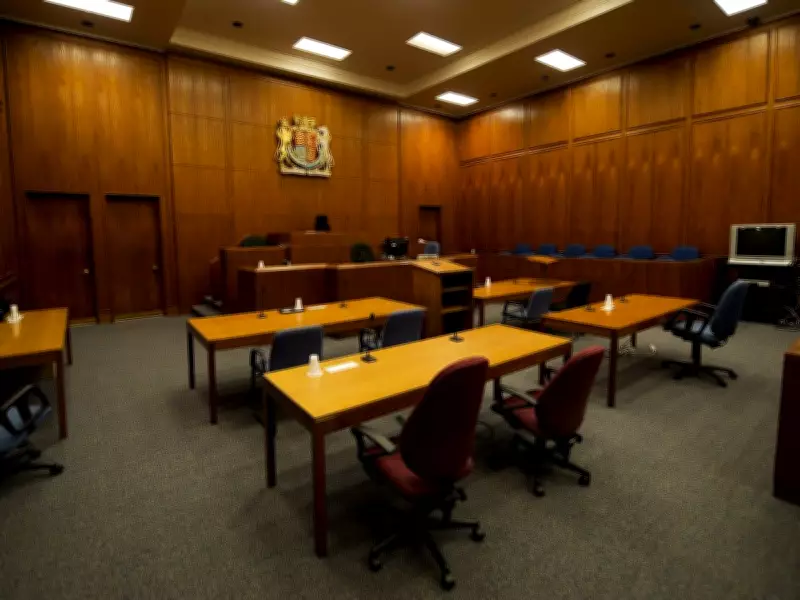
Ontario Premier Doug Ford has entered what political observers describe as "Big Ideas Mode," with proposals extending beyond his ongoing involvement in Toronto municipal affairs. In a significant move toward judicial transparency, Ford announced his government is actively exploring measures to broadcast bail hearings live on the internet, bringing proceedings currently accessible only through in-person attendance into the digital age.
Bringing the Bail System into Public View
"We're exploring new measures to bring our bail system out into the open by broadcasting hearings, which right now are not accessible to the public except for people who go in person," Ford stated during an announcement in Brockville, Ontario. The premier made these remarks while announcing the reopening of a provincial jail, highlighting his government's broader focus on justice system reforms.
Ford emphasized the need for federal cooperation, stating, "We need the federal government to follow through with their promise to reform Canada's broken bail system and keep repeat offenders behind bars." This positions the live-streaming proposal within a larger framework of criminal justice reform discussions between provincial and federal authorities.

Political Considerations and Judicial Realities
From a political perspective, the proposal presents complex considerations. Ford's law-and-order platform frequently attributes systemic challenges to federal jurisdiction, yet bail hearings predominantly fall under provincial oversight through provincially appointed justices of the peace. These judicial officers occasionally render decisions that surprise legal observers, regardless of federal policy constraints.
Despite potential political complications, transparency advocates argue the proposal represents progress. For years, critics have questioned why Canada's justice system hasn't faced greater public scrutiny given documented issues including abandoned trials due to procedural delays, controversial sentencing practices, and parole decisions contradicting earlier assurances.
The Case for Comprehensive Transparency
Proponents suggest the justice system's political insulation partly stems from its opaque nature. Legal proceedings often involve complex, arcane procedures that most citizens find inaccessible and, frankly, tedious. While thousands of Ontarians aren't likely to eagerly await courtroom live streams during leisure hours, transparency advocates contend the system desperately needs sunlight, and incremental improvements collectively enhance accountability.
Live-streamed hearings could serve as valuable educational tools, demystifying legal processes for citizens. Furthermore, there's no compelling reason to limit broadcasting to bail hearings alone. Any proceeding in an open courtroom could potentially be broadcast, subject to appropriate safeguards protecting sensitive cases requiring in camera proceedings.
Preserving Public Access Principles
Ford noted that interested parties can typically visit Ontario courthouses on weekday mornings to observe proceedings, comparing the experience to "the world's dullest multiplex cinema." If this principle of public access cannot withstand increased interest through digital viewing rather than physical attendance, that indicates systemic flaws rather than problems with transparency itself.
The proposal raises important questions about balancing public access with procedural integrity. Ideally, citizens could access any courtroom proceeding online, provided they agree to behavioral standards equivalent to those required for in-person attendance. This digital expansion of public access could transform how Canadians engage with their justice system, potentially increasing accountability while educating citizens about legal processes that profoundly impact society.