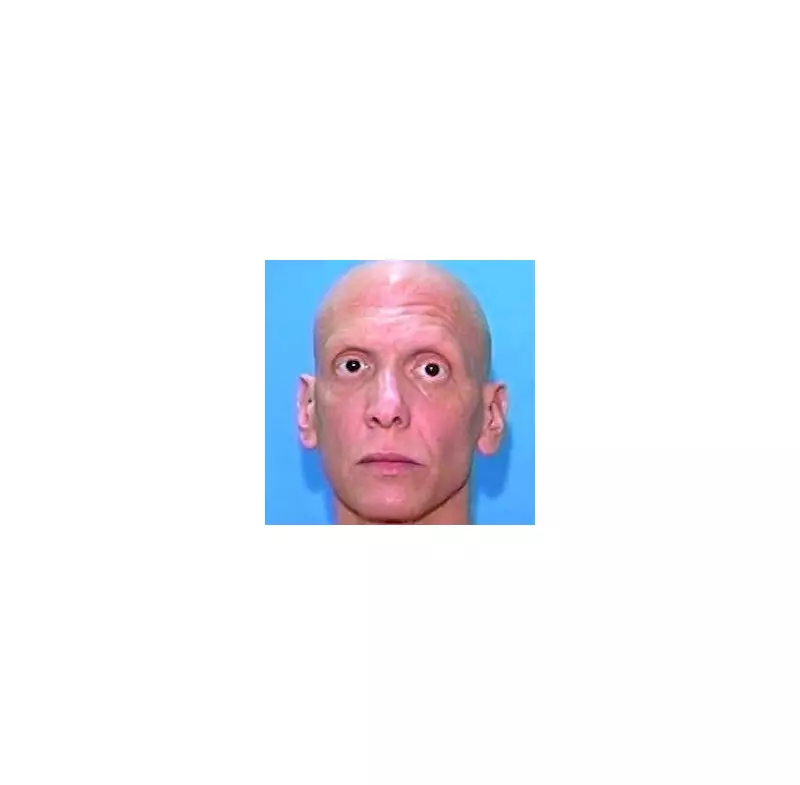
The state of Florida holds a grim and unique distinction in American criminal history: it is the hunting ground for not one, but multiple police officers who turned into serial killers. The stories of Gerald Schaefer and Manuel "Manny" Pardo reveal a terrifying betrayal of the badge, marked by brutality, narcissism, and a shocking number of victims.
The Butcher of Blind Creek: Deputy Gerald Schaefer
Sheriff's Deputy Gerald Schaefer became the embodiment of evil that death penalty advocates pointed to. Described by prosecutor Robert Stone as "the most sexually deviant person" he had ever encountered, Schaefer's reign of terror culminated in his conviction for the 1972 mutilation murders of two teenage girls in Port St. Lucie.
Known by monikers like Killer Cop, the Hangman, and the Butcher of Blind Creek, he is suspected in at least 26 murders across the Sunshine State. Only a U.S. Supreme Court moratorium on executions saved him from the electric chair in the 1970s. His life sentence, however, was cut short in December 1995 when he was fatally stabbed by another inmate.

From Valedictorian to 'Death Row Romeo': Manuel Pardo
If Schaefer's case was one of hidden depravity, Manuel Pardo's descent was a dramatic and documented fall from grace. Born in 1956 in New York City, Pardo served in the U.S. Marine Corps before joining the Florida Highway Patrol, even graduating as valedictorian from the police academy.
His law enforcement career began to unravel in 1979 when he was fired for falsifying traffic tickets. After a brief stint with the Sweetwater police near Miami, he was fired again and plunged into the violent cocaine trade of 1980s South Florida.
Pardo's murder spree began in earnest in January 1986. His victims included drug dealers, a Haitian activist he believed was an informant, and even individuals over trivial disputes. In one chilling instance, he claimed he killed a woman because he believed she had placed a Santeria hex on him. By the time of his arrest in a New York hospital, he was linked to nine murders committed in cold blood during robberies.
A Nazi Sympathizer's 'Glorious Ending'
Investigators discovered that Pardo was not just a killer, but a devoted racist and Nazi sympathizer. His home contained a trove of Nazi memorabilia, and prosecutors portrayed him as an admirer of Adolf Hitler who harbored deep hatred for Jewish and Black people.
At his 1988 trial, where he was convicted of nine counts of murder, Pardo shockingly asked the jury for the death penalty. "I'm not a criminal. I'm a soldier … I ask to be given the death penalty. I accomplished my mission," he stated. His wish was granted, and he was executed by lethal injection on December 11, 2012.
On death row, he infamously became known as the "Death Row Romeo," placing personal ads to scam lonely women out of money for his prison canteen.
A Lasting Stain and a Political Legacy
Decades later, these cases still haunt the detectives who worked them. Retired detective John Allickson, who investigated Pardo, called it a "nasty, chilling case" that always stood out. Retired prosecutor David Waksman recalled Pardo's cold nature, stating he would commit robberies and murders and then "went home and slept like a baby."
The legacy of these crimes extends to the next generation. Pardo's daughter, Monique Pardo Pope, is now a candidate for the Miami Beach City Commission. In a public statement, she acknowledged her father's terrible actions, which upended her life at age four, and has chosen to confront her family's past head-on in her political career.
The cases of Schaefer and Pardo remain a dark and perplexing chapter, posing enduring questions about the psychology of those sworn to protect and the unsettling frequency with which Florida has seen that oath broken in the most horrific way imaginable.