FBI Declines to Share Evidence in Alex Pretti Border Patrol Shooting Case
Hopes that the Federal Bureau of Investigation would cooperate with state authorities by sharing evidence in the fatal shooting of Alex Pretti have been completely shattered. The incident, which occurred over a weekend in late January 2026, involved a U.S. Border Patrol officer fatally shooting 37-year-old Alex Pretti in Minneapolis.
The refusal to share evidence represents a significant setback for state investigators who were seeking to build a comprehensive case. This development raises serious questions about transparency and inter-agency cooperation in high-profile law enforcement incidents.
Background of the Incident
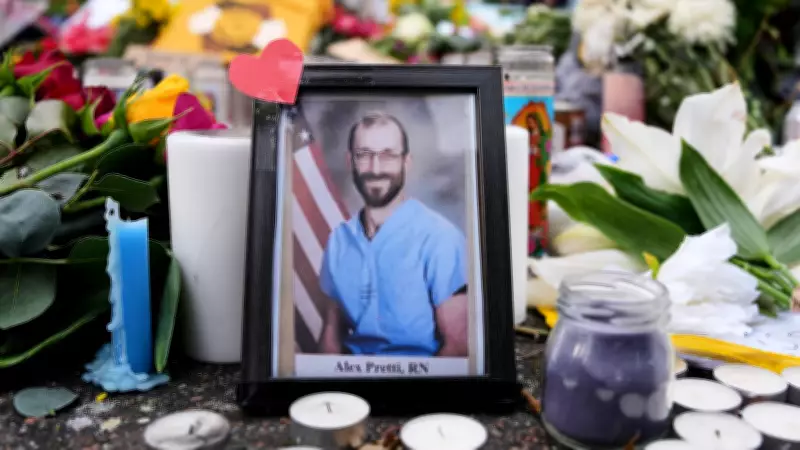
Alex Pretti, a 37-year-old individual, was fatally shot by a U.S. Border Patrol officer during an encounter in Minneapolis. The shooting took place over a weekend in late January 2026, with the scene remaining active for investigation through the following Monday. Photographs from the scene showed memorial items including a photo of Pretti displayed at the location where the shooting occurred.

The case immediately attracted attention due to the involvement of federal law enforcement personnel in a civilian shooting. State investigators had been hoping to review all available evidence to understand the circumstances that led to the use of deadly force.
Investigative Challenges
With the FBI declining to share their evidence, state investigators now face substantial obstacles in their pursuit of a complete understanding of the events. This lack of cooperation between federal and state agencies creates what experts describe as an investigative vacuum that could hinder justice.
The evidence held by the FBI likely includes crucial information about the officer's actions, statements from witnesses, forensic analysis, and potentially video footage from body cameras or other sources. Without access to this material, state authorities are working with an incomplete picture of what transpired during the fatal encounter.
Broader Implications
This case highlights ongoing tensions between federal and state law enforcement agencies regarding jurisdictional boundaries and information sharing protocols. When federal officers are involved in incidents that occur within state boundaries, the question of which agency takes investigative precedence often becomes contentious.
The refusal to share evidence in the Pretti case may set a concerning precedent for future incidents involving federal law enforcement personnel. Families of victims and transparency advocates are likely to view this development as undermining public trust in law enforcement accountability mechanisms.
As the investigation continues without access to FBI evidence, state authorities must rely on whatever information they can gather independently. This limitation may affect the thoroughness of their findings and potentially the outcome of any subsequent legal proceedings related to the shooting.