Fatal Carnival Accident in Prince Rupert Traced to Operator Distraction and Communication Failures
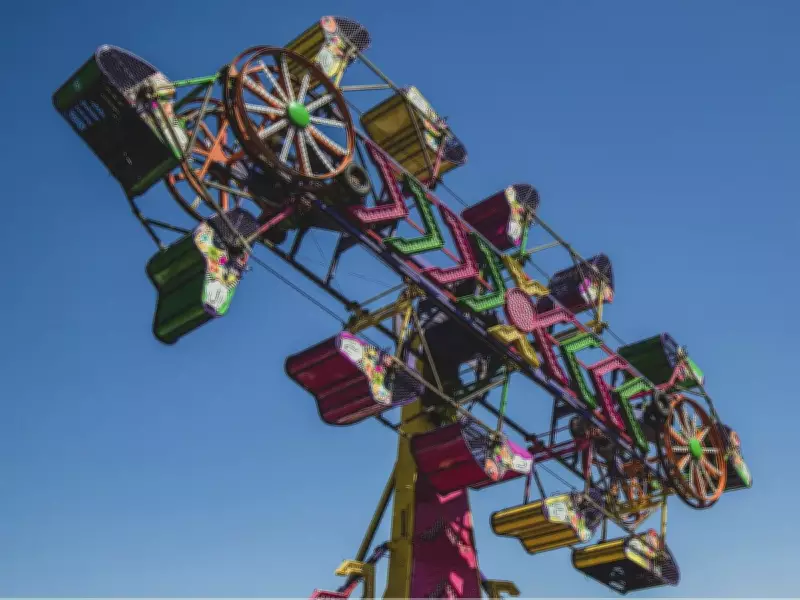
A comprehensive safety investigation released this week has determined that a tragic carnival accident in Prince Rupert, which resulted in the death of a carnival worker, was caused by operator distraction and inadequate communication protocols. The report from Technical Safety B.C. examines the circumstances surrounding the injury and subsequent death of Robert James Nickerson, who was fatally struck by a carnival ride known as The Zipper while working at the Prince Rupert Summer Carnival in August 2025.
Details of the Incident and Investigation Findings
According to the investigation, the incident occurred on the evening of August 26, 2025, when Prince Rupert RCMP received a call at approximately 10:40 p.m. reporting that a man had been injured at the carnival and was unconscious. The victim, later identified as Robert James Nickerson, did not survive his injuries. Nickerson was a carnival worker stationed in Prince Rupert with Shooting Star Amusements at the time of the accident.
The Technical Safety B.C. report reveals that while Nickerson did not typically handle daily operations of The Zipper ride, he possessed extensive experience with the attraction and had volunteered to assist the ride operator with loading and unloading passengers that evening, a process known in carnival terminology as "cracking buckets."

Sequence of Events Leading to the Tragedy
During the ride's operation, Nickerson was positioned inside the fenced ride perimeter in an area where workers typically collect tickets from waiting riders. This zone, sometimes referred to by staff as the "deadman's zone," is located outside the direct pathway of the moving ride components.
The investigation found that three carnival-goers approached the ride operator from behind and tapped him on the back, prompting him to turn away from his duties. The individuals began asking questions about the ride and pleaded for special allowances, specifically inquiring whether three people could fit into a ride vehicle designed for only two adults. The ride operator repeatedly denied this request during the brief interaction.
During this distraction, a magnetic retrieval broom tool that had been propped against the operator's control podium fell over. The report details how the ride's boom arm was lifted and paused briefly in the air—a normal part of the ride's operation—at the precise moment the tool fell. Investigators believe Nickerson may have leaned down to retrieve the tool in that split second and was struck from behind when the ride resumed its rotations, moving unexpectedly out of his line of sight.
Contributing Factors Identified in the Report
The Technical Safety B.C. investigation identified several critical contributing factors to the fatal accident:
- Lack of defined communication protocols between ride operators and attendants during active ride operation
- Exposure to distraction and physical interference from members of the public while operating dangerous equipment
- Absence of specific protective measures or requirements for employee safety zones and buffers during active ride operation
Justin Wagner, owner of Shooting Star Amusements, later confirmed Nickerson as the employee who had been killed in the accident. In a message posted to a GoFundMe campaign established after the tragedy, Wagner described Nickerson, who originally hailed from Nova Scotia, as "more than an employee—he was family to all of us at Shooting Star."
Understanding The Zipper Ride
The Zipper is a popular carnival attraction first designed in the 1960s that features a rotating boom arm with twelve passenger cars attached. These cars swing and roll independently while the main boom arm rotates, creating a dynamic and thrilling experience for riders. The ride's mechanical complexity requires careful operation and constant attention from trained personnel.

This tragic incident highlights the critical importance of maintaining strict safety protocols and minimizing distractions in environments where heavy machinery operates in close proximity to workers. The investigation findings underscore the need for enhanced communication systems, better public barriers, and more clearly defined safety zones to prevent similar tragedies in the future.