Family Contact Already Made, Victim's Family Trauma Reasoning in Twitchell Leave Denial
In a recent development, Edmonton filmmaker Mark Twitchell has had his request for leave denied by authorities. The decision, announced on March 18, 2026, was based on two primary factors: prior contact with the victim's family and the significant trauma experienced by the family members.
Background on the Case
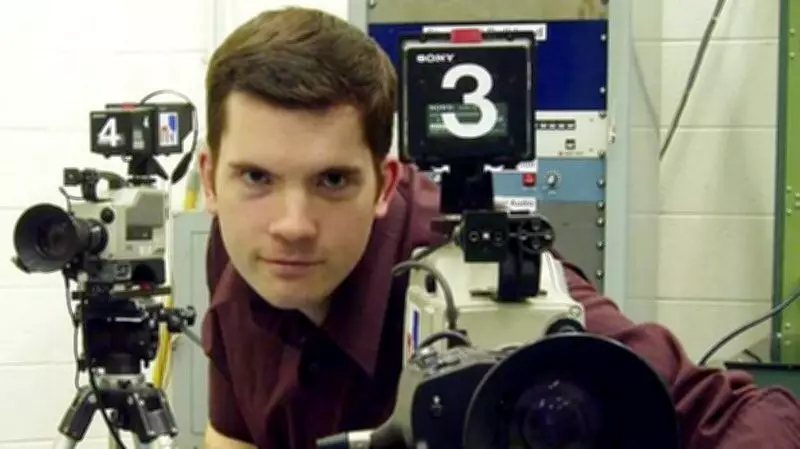
Mark Twitchell, whose image was previously shared on his MySpace.com personal page, has been involved in a high-profile legal case that has drawn public attention. The denial of his leave application underscores the ongoing complexities in the justice system, particularly when balancing the rights of the accused with the needs and well-being of victims' families.
Reasons for Denial
Officials stated that family contact had already been established, which played a crucial role in the decision-making process. Additionally, the profound trauma suffered by the victim's family was cited as a key reason for denying Twitchell's leave. This highlights the increasing consideration of victim impact in judicial proceedings, aiming to prevent further distress to those affected by crimes.

Implications and Context
The case reflects broader trends in criminal justice, where victim advocacy and family trauma are becoming more central to legal outcomes. By prioritizing the emotional and psychological well-being of victims' families, authorities aim to foster a more compassionate and equitable system. This decision may set a precedent for similar cases in the future, emphasizing the importance of holistic assessments in leave applications.
As the situation continues to unfold, it remains a poignant reminder of the lasting effects of crime on families and the evolving standards in judicial processes. The denial serves as a testament to the commitment to addressing victim needs while navigating the complexities of legal rights and rehabilitation.