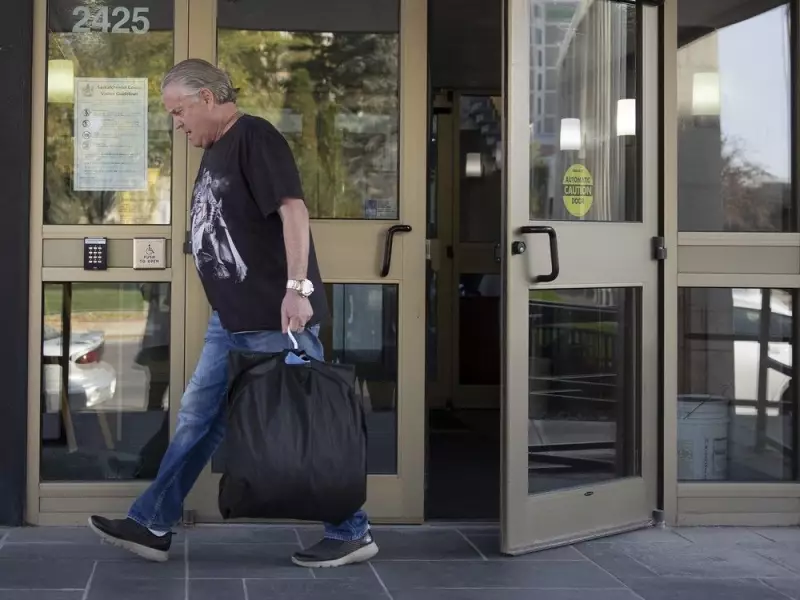
Former WHL Coach Bernie Lynch Loses Parole Appeal After Contacting Victim
The Parole Board of Canada's Appeal Division has rejected former Western Hockey League coach Bernie Lynch's attempt to overturn the revocation of his parole. The 71-year-old Regina resident argued that the board's decision was both unfair and unreasonable, but his appeal was unsuccessful.
Parole Revocation Follows Facebook Contact with Victim
The original decision to revoke Lynch's parole came in August 2025, following a suspension triggered by his actions on social media. According to the appeal ruling dated January 16, Lynch had contacted the victim of his 1988 sexual assault through a Facebook friend request, violating the conditions of his release.
This was not the first time Lynch's parole had been suspended. Previous concerns had been raised about his behavior at a halfway house, but it was the Facebook incident that ultimately led to the complete revocation of his parole status.

Historic Sexual Assault Conviction and Sentencing
In December 2023, Lynch was convicted of sexually and physically assaulting a 17-year-old hockey player in 1988. The conviction came after a trial where the victim, who cannot be named due to a publication ban, testified about the traumatic events.
The victim described being pressured by Lynch to drink alcohol and remove his clothing before being sexually assaulted. The physical assault conviction stemmed from incidents where Lynch punched the teenager's arm and struck his testicles with a ring of keys, which reportedly occurred the day after the sexual assault.
Following his conviction, Lynch received a three-year sentence. At the time of the offenses, he had recently been hired as an assistant coach with the Regina Pats, a Western Hockey League organization, and the victim was participating in a hockey school run by the team.
Appeal Arguments Rejected by Parole Board
In his appeal, Lynch claimed he had been treated unfairly during his hearing and argued that the Parole Board conducted an improper assessment of his risk to society. He further contended that the decision not to release him again was unreasonable given the circumstances.
The Appeal Division rejected all of these arguments, upholding the original decision to revoke Lynch's parole. The ruling specifically addressed the reasonability of the board's actions, stating that placing weight on Lynch's decision to repeatedly access the victim's Facebook profile after already facing one suspension hearing was entirely reasonable.
The decision also noted that it was within the board's discretion to disregard Lynch's claim that the Facebook friend request was sent accidentally. Furthermore, the Appeal Division found it reasonable to conclude that Lynch tended to portray himself as a victim based on comments he made during the hearing.
Legal and Community Implications
This case highlights the strict conditions placed on individuals convicted of sexual offenses and the serious consequences of violating parole terms. The Parole Board's decision reinforces the importance of protecting victims from further contact with their assailants, even decades after the original crimes occurred.
The ruling also demonstrates the board's commitment to maintaining public safety while ensuring that parole decisions are made based on comprehensive risk assessments. By rejecting Lynch's appeal, the Appeal Division has affirmed the original decision's validity and the board's authority in such matters.
As Lynch continues to serve his sentence, this case serves as a reminder of the long-term consequences of sexual assault convictions and the ongoing responsibility of parole authorities to monitor and respond to behavior that violates release conditions.