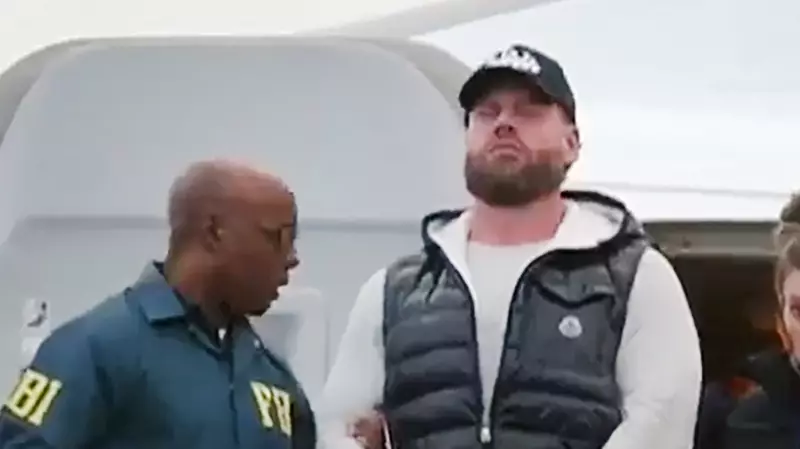
Former Canadian Olympic Snowboarder Denies Billion-Dollar Drug Trafficking and Murder Charges
In a dramatic courtroom appearance, former Canadian Olympic snowboarder Ryan Wedding pleaded not guilty to operating a billion-dollar international drug trafficking network and orchestrating multiple killings. The one-time Olympian, who represented Canada in the 2002 Winter Games in Salt Lake City, made his first U.S. court appearance Monday in Santa Ana, California, after being arrested in Mexico last week.
From Olympic Athlete to FBI's Most Wanted
Wedding's journey from Olympic competitor to international fugitive represents a stunning fall from grace. U.S. authorities revealed that Wedding had been hiding in Mexico for over a decade before his capture. His status escalated dramatically last March when the FBI added him to their prestigious Ten Most Wanted Fugitives list, offering a substantial $15 million reward for information leading to his arrest and conviction.
According to federal prosecutors, Wedding's alleged criminal enterprise moved staggering quantities of cocaine—up to 60 tons—between Colombia, Mexico, Canada, and Southern California. Authorities believe he operated under the protection of Mexico's powerful Sinaloa Cartel, one of the world's most notorious drug trafficking organizations.

International Manhunt and Arrest
The arrest culminated a yearlong multinational effort involving authorities from the United States, Mexico, Canada, Colombia, and the Dominican Republic. Mexican officials stated that Wedding surrendered at the U.S. Embassy in Mexico City last week, though his defense attorney Anthony Colombo disputed this account during Monday's proceedings.
"He was arrested," Colombo told reporters outside the federal courthouse. "He did not surrender." The attorney described his client as being in "good spirits" but acknowledged that "this has been a whirlwind for Mr. Wedding."
Courtroom Appearance and Legal Proceedings
Wedding arrived in court wearing a tan jail jumpsuit with his ankles chained, presenting a stark contrast to his former athletic image. During the brief hearing, he smiled briefly before reviewing documents with his attorney. When questioned by U.S. Magistrate John D. Early about whether he had read the indictments against him, Wedding responded affirmatively: "I've read them both, yes."
The judge ordered Wedding held in custody without bond, stating he could not immediately find conditions that would ensure public safety or guarantee Wedding's appearance at future court dates. However, he indicated he might consider bond if Wedding's legal team requests it later. The former athlete is scheduled to return to court on February 11, with a trial date set for March 24.
Serious Allegations and Previous Convictions
The 2024 indictment paints a disturbing picture of Wedding's alleged criminal activities. Federal charges include running a criminal enterprise, murder, conspiring to distribute cocaine, and other serious crimes. The murder charges specifically accuse Wedding of directing the 2023 killings of two members of a Canadian family in retaliation for a stolen drug shipment, and ordering another killing over a drug debt in 2024.
Additionally, Wedding faces new charges from last year alleging he orchestrated the killing of a witness in Colombia to avoid extradition to the United States. This isn't Wedding's first encounter with the U.S. justice system—he was previously convicted in 2010 of conspiracy to distribute cocaine and served prison time before being released from Bureau of Prisons custody in 2011.
International Drug Network Operations
According to the 2024 Canadian indictment, Wedding's organization allegedly obtained cocaine from Colombia and collaborated with Mexican cartels to transport drugs by boat and plane to Mexico. From there, the operation used semitrucks to move the narcotics into the United States, storing cocaine in Southern California before distributing it to Canada and various U.S. states.

The indictment identifies Wedding's group as the largest supplier of cocaine to Canada, highlighting the scale and reach of the alleged operation. Wedding faces separate drug charges in Canada dating back to 2015, adding another layer of complexity to his legal troubles.
Broader Political Context
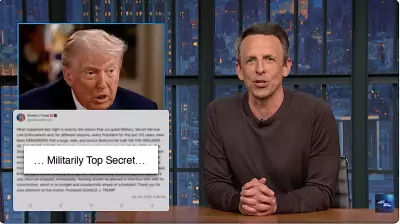
Wedding's extradition from Mexico occurs against a backdrop of increasing cooperation between Mexican and U.S. authorities on drug enforcement matters. Mexico has been sending more detained cartel members to the United States as the country attempts to address mounting threats and political pressure. This development follows recent statements by former U.S. President Donald Trump about targeting drug trafficking operations south of the border.
The case continues to develop as Wedding prepares for his upcoming court dates and potential trial, with international attention focused on how this former Olympic athlete became embroiled in one of the hemisphere's most significant drug trafficking investigations.