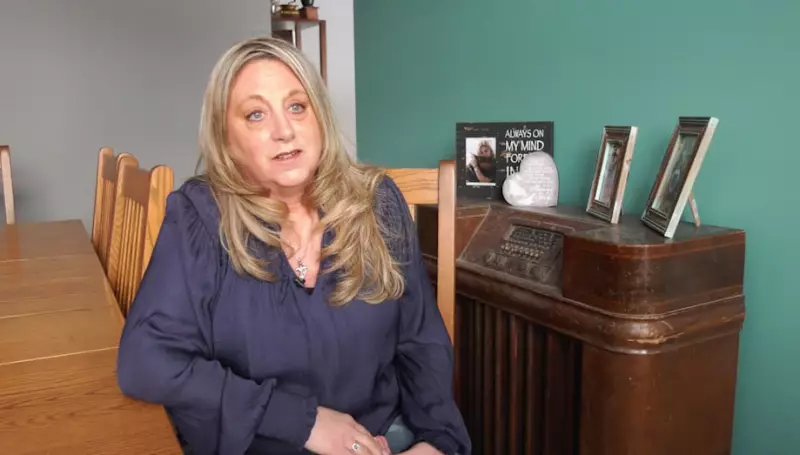
An Essex, Ontario family is experiencing a sombre form of closure five years after a devastating loss. Shellie Pannunzio spoke from her home on the painful anniversary of her step-daughter Juliana's murder, a milestone now marked by the recent delivery of a guilty verdict in the case.
A Long Wait for Justice
For half a decade, the Pannunzio family has lived with the grief and uncertainty following Juliana's killing. The journey through the justice system was protracted and agonizing. Shellie Pannunzio described the profound relief that came with the conclusion of the trial, stating the family no longer has to "hold our breath anymore." The verdict represents a pivotal moment, allowing them to begin commemorating Juliana's life without the shadow of an unresolved legal process.
Commemorating a Life Lost
The interview, conducted by CTV News journalist Michelle Maluske on January 19, 2026, captured the raw emotion of the anniversary. While the details of the murder itself are harrowing, the focus for the family is increasingly on preserving Juliana's memory. The guilty verdict, while not a remedy for loss, provides a definitive answer and a form of societal accountability that the family had sought for five long years.

The case underscores the enduring impact of violent crime on families in communities like Essex and the broader Windsor region. Their public sharing of this story highlights the human cost that lies behind court dockets and news headlines, offering a glimpse into the long-term process of grieving when intertwined with the wheels of justice.
Moving Forward with a Verdict
The conclusion of the trial does not end the family's pain, but it does alter its character. The energy once spent awaiting a legal outcome can now be redirected. For Shellie Pannunzio and her family, the anniversary is no longer solely about the tragedy of the murder but also about the hard-won resolution that followed. Their experience reflects a common narrative for victims' families: that justice, however delayed, can be a crucial component in the architecture of healing, allowing them to breathe again after years of suspense.