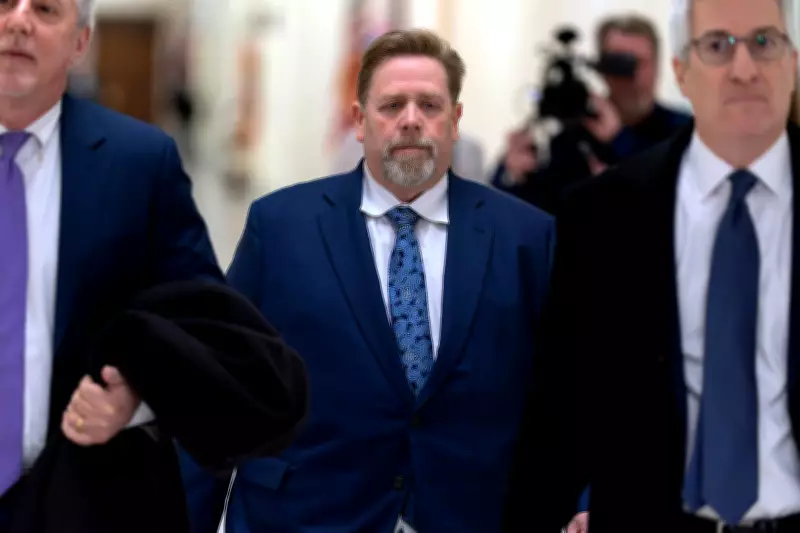
Epstein's Former Attorney Testifies He Was Unaware of Client's Sexual Abuse
Darren Indyke, who served as Jeffrey Epstein's personal lawyer for many years, has publicly stated that he had no knowledge of his client's extensive sexual abuse activities. This declaration came during a sworn deposition before the House Oversight Committee on Capitol Hill, where Indyke faced intense questioning about his role and responsibilities while representing the notorious financier.
Congressional Hearing Reveals Legal and Ethical Questions
The congressional hearing, held on Thursday, marked a significant moment in the ongoing investigation into Epstein's network and the professionals who enabled his crimes. Committee members pressed Indyke about whether he should have known about Epstein's behavior, given his close professional relationship with the financier over decades. Legal experts note that attorney-client privilege creates complex ethical boundaries, but many argue that lawyers have a duty to withdraw from representation when they become aware of criminal conduct.
Indyke maintained throughout his testimony that Epstein never disclosed his sexual abuse activities to him, and that he only learned about the allegations through media reports and court proceedings. This position has drawn skepticism from victim advocates and some committee members, who question how someone so intimately involved in Epstein's financial and legal affairs could remain unaware of such pervasive criminal behavior.

Broader Implications for Legal Profession
The case raises profound questions about legal ethics and professional responsibility. When does an attorney's duty to their client conflict with broader ethical obligations to prevent harm? Legal scholars are divided on this issue, with some arguing that lawyers must maintain client confidentiality even in disturbing circumstances, while others believe certain crimes should trigger mandatory reporting requirements.
Epstein's legal team has faced scrutiny before, particularly regarding the controversial 2008 plea deal that allowed Epstein to avoid federal charges. Indyke's testimony represents the first time a member of Epstein's inner legal circle has been compelled to answer questions under oath about what they knew and when they knew it.
Victim Advocacy and Accountability
Survivors of Epstein's abuse and their advocates have expressed frustration with Indyke's claims of ignorance. They argue that multiple professionals in Epstein's orbit, including lawyers, accountants, and assistants, must have been aware of the pattern of abuse given its scale and duration. The congressional investigation continues to examine whether professionals who worked with Epstein should face consequences for enabling or failing to report his crimes.
The House Oversight Committee's investigation into Epstein's network remains ongoing, with further hearings expected to examine the roles of other professionals and institutions that interacted with the financier. Legal observers suggest that Indyke's testimony may set important precedents for how courts and regulatory bodies handle cases where attorneys represent clients engaged in serious criminal conduct.