Judge Compels Elon Musk to Testify in USAID Dissolution Case
A federal judge has ruled that Elon Musk can be forced to provide testimony under oath in a significant lawsuit concerning the dissolution of the United States Agency for International Development (USAID). The ruling comes despite objections from the Justice Department, which argued that compelling Musk's testimony would interfere with White House activities and raise separation-of-powers concerns.
Legal Battle Over USAID Closure
U.S. District Judge Theodore Chuang, presiding in Greenbelt, Maryland, issued the order on Wednesday, stating that "extraordinary circumstances justify" making Musk and two former USAID officials available for depositions. The lawsuit was brought by government workers and contractors who allege that Musk unlawfully directed the agency's dissolution while serving as a senior White House adviser during the Trump administration.
Judge Chuang noted that Musk's social media posts, in which he took credit for shuttering the aid agency last year, provide evidence that he and other witnesses "likely have personal, first-hand knowledge of the facts relevant and essential to the resolution of this case."

Justice Department's Objections Overruled
The Justice Department had vigorously opposed Musk's deposition, arguing that it would "intrude on White House activities and the president's performance of constitutional duties, which triggers significant separation-of-powers concerns." However, Judge Chuang determined that it wasn't clear Musk qualified as a "high-ranking government official" entitled to the legal protections afforded to cabinet secretaries or agency heads.
The judge did acknowledge that the administration could request limitations on certain types of questions to avoid presidential intrusion, but maintained that the testimony was necessary for the case to proceed fairly.
Broader Context of the Legal Dispute
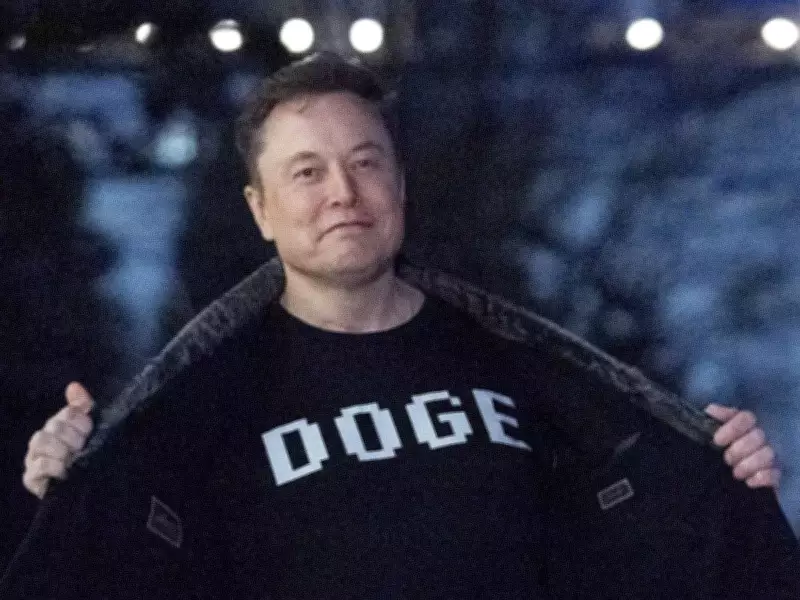
This USAID case represents one of the few remaining active legal battles concerning Musk's role in the Trump administration and the Department of Government Efficiency's (DOGE) broader efforts to reduce U.S. spending and shrink the government workforce. Musk served as the public face of DOGE, although another official, Amy Gleason, was formally appointed as the head of that office.
Judge Chuang highlighted that the government had failed to provide challengers with a complete record of documents addressing key decisions and decision-makers related to the USAID closure. "Assuming the defendants complied with the court's order in good faith, they have effectively acknowledged that these orders were given orally," the judge wrote, "such that the only evidence on these questions would be the oral testimony of the officials present."
Additional Witnesses and Reactions
In addition to Musk, the judge denied the government's request to block depositions of two former USAID officials: Peter Marocco and Jeremy Lewin. These testimonies are expected to provide crucial insights into the decision-making process behind the agency's dissolution.
Tianna Mays, legal director for the Democracy Defenders Fund, which represents the plaintiffs in the case, expressed satisfaction with the ruling. "We look forward to Mr. Musk being compelled to testify so the American people can finally learn how this administration illegally destroyed a congressionally established agency," Mays stated.
A Justice Department spokesperson declined to comment on the ruling, while representatives for Musk's companies did not immediately respond to requests for comment.
Background on Musk's Government Role
Elon Musk, the chief executive of Tesla Inc. and SpaceX, left his position as an administration adviser last spring. Despite his departure, the Justice Department has continued to represent his interests in cases where he was sued over actions associated with DOGE. This ongoing legal scrutiny underscores the complex intersection of business leadership and government advisory roles in contemporary American politics.