DOJ Faces Scrutiny Over Epstein Probe Delays as UK and Congress Forge Ahead
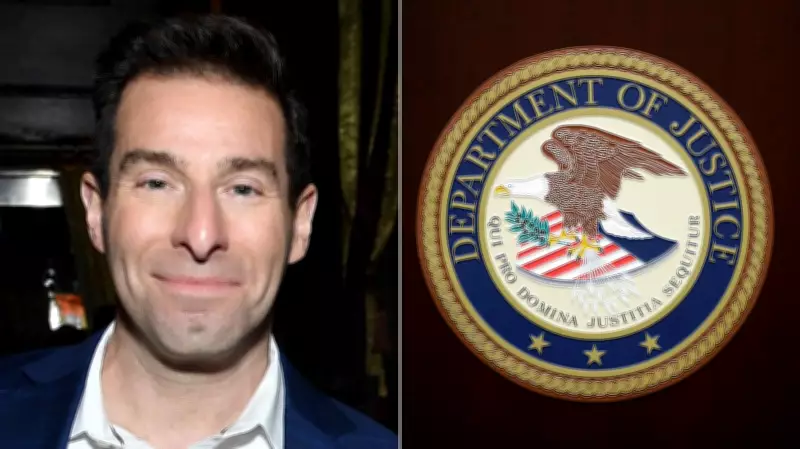
In a scathing editorial published in New York Magazine's Intelligencer, CNN senior legal analyst Elie Honig has sharply criticized the United States Department of Justice for its perceived inaction in investigating potential co-conspirators linked to the late child predator Jeffrey Epstein. Honig asserts that both British authorities and the U.S. Congress are significantly outpacing the DOJ in their investigative efforts, labeling the lack of charges as "embarrassing" and possibly intentional.
Comparative Progress in Investigations
Honig highlighted that while the DOJ lags, UK law enforcement has taken swift action, arresting former Prince Andrew Mountbatten-Windsor on suspicion of misconduct in public office. This arrest followed revelations from recent Epstein files suggesting the ex-royal provided confidential information to Epstein in 2010 and 2011. Additionally, British authorities arrested Peter Mandelson, a former UK ambassador to the U.S., on similar suspicions. Honig praised these moves, noting they were executed within "a matter of weeks", which he argues shames the DOJ's slower pace.
In contrast, Honig pointed out that the DOJ's most notable step since the release of Epstein files was Deputy Attorney General Todd Blanche's public statement that "it isn't a crime to party with Mr. Epstein", made during a Fox News interview. This, according to Honig, reflects a lack of prosecutorial tenacity compared to his experiences at the Southern District of New York.

Congressional Efforts and DOJ Inaction
Honig also commended the U.S. House of Representatives for its proactive approach, including subpoenaing influential figures like retail billionaire Les Wexner, who denied knowledge of Epstein's criminal activities during five hours of questioning. He suggested the DOJ could leverage such opportunities by interviewing witnesses and examining email records, yet "we've seen no indication of DoJ doing any such thing".
Furthermore, Honig criticized the DOJ for not subpoenaing former President Donald Trump, whom he described as "the most powerful of all former Epstein pals". He expressed frustration that Congress, with minimal investigative resources, has made more progress than the DOJ, which has vast resources at its disposal.
Broader Implications and Criticism
Honig's editorial underscores a broader concern about the DOJ's commitment to justice in high-profile cases. He accused the department of "proactive excuse-making" and cited Blanche's earlier claim that disturbing emails do not necessarily lead to prosecutions. Honig also noted President Trump's dismissal of the case as a "hoax", adding to the perception of indifference.
In conclusion, Honig lauded the bipartisan passage of the Epstein Files Transparency Act and the House Oversight Committee's efforts, while reiterating that the DOJ's lagging response represents "an embarrassing moment for our Justice Department's leadership" and a potential sign of deliberate neglect. As UK authorities and Congress continue to advance, the pressure mounts on the DOJ to demonstrate greater urgency and transparency in its investigations.