A pivotal legal proceeding is currently unfolding in a London, Ontario courtroom that will determine the future of a local man deemed a significant threat to society. A dangerous offender hearing is underway for a London man with a lengthy and violent criminal past.
The Legal Proceeding and Its Stakes
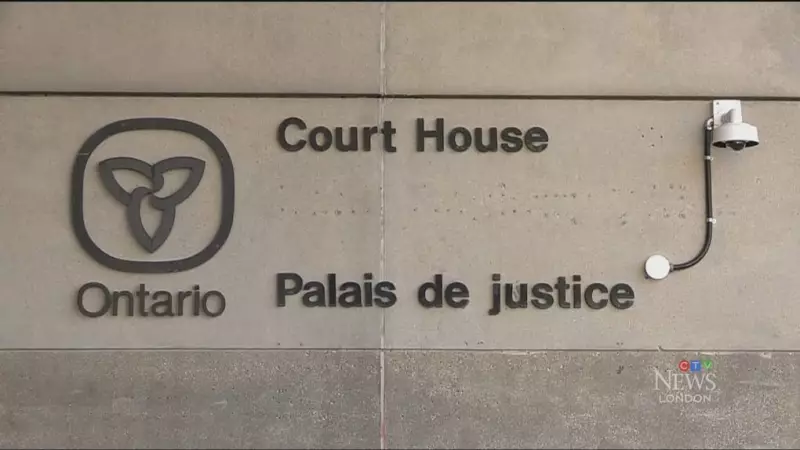
The hearing, which began on December 15, 2025, is taking place at the Ontario Court House in London, Ont. Journalist Nick Paparella of CTV News London reported on the case. A dangerous offender designation is one of the most severe sentences in Canadian law, reserved for the country's most violent criminals and sexual predators.
If the Crown successfully argues its case, the individual could be declared a dangerous offender. This designation can lead to an indefinite prison sentence, with the primary goal being the protection of the public. The hearing involves a detailed examination of the man's criminal history, psychiatric assessments, and the risk he poses for future violent behaviour.

Context of a Violent History
While the specific details of the accused's crimes were not fully detailed in the initial report, the hearing was prompted by a pattern of violent offences. The Crown must demonstrate a pattern of repetitive, persistent aggressive conduct showing a substantial degree of indifference to the consequences of his actions towards other persons.
The process is rigorous, requiring the court to be satisfied that the individual constitutes a threat to the life, safety, or physical or mental well-being of other persons. The defence will have the opportunity to present evidence arguing against the designation, potentially proposing a lesser sentence, such as a long-term offender designation, which includes extended supervision in the community after prison.
Implications for Public Safety and Justice
The outcome of this hearing carries profound implications. For the community of London, Ontario, it represents a critical juncture in the justice system's handling of high-risk individuals. A dangerous offender finding prioritizes public safety above all else, effectively removing the individual from society for a potentially unlimited period.
These hearings are relatively rare and underscore the legal system's mechanisms for dealing with intractable cases where rehabilitation appears unlikely and the risk of re-offence is high. The court's decision will be closely watched by legal experts, victim advocacy groups, and community members concerned with the balance between rehabilitation and societal protection.
The hearing continues as the court meticulously reviews the evidence to reach a conclusion that aligns with both justice and the paramount concern for public safety.