Carney Advocates for Canada's Middle Power Influence in Australian Address
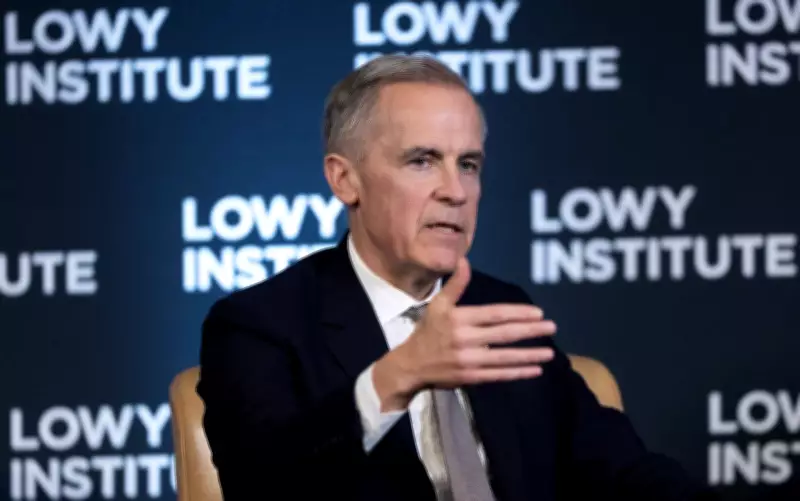
Prime Minister Mark Carney delivered a robust defense of Canada's role as a middle power on the global stage during an armchair discussion at the prestigious Lowy Institute in Sydney, Australia, on Wednesday, March 4, 2026. The event, which drew significant attention from international observers, saw Carney articulate a vision where Canada leverages its diplomatic and economic clout to shape international agendas amidst escalating global tensions.
Setting the Agenda in a Turbulent World
Carney's central message revolved around the assertion that Canada possesses the unique capacity to set agendas rather than merely react to them. "We can set the agenda," Carney stated emphatically, highlighting how middle powers like Canada can bridge divides between larger nations and drive progress on critical issues such as climate change, trade, and security. This pitch comes at a time when conflicts, including the widening war in the Middle East, are testing international alliances and cooperation frameworks.
The Prime Minister's remarks underscored a strategic pivot towards proactive diplomacy, positioning Canada as a stabilizing force. He pointed to recent initiatives, including green energy agreements with India and support for renewable projects, as examples of how Canada is already influencing global policy directions. This approach, Carney argued, is essential for navigating an era marked by geopolitical volatility and economic uncertainty.

Context and Implications for Canadian Foreign Policy
Carney's speech in Australia is part of a broader effort to reinforce Canada's international standing. Earlier in the week, Foreign Affairs Minister Anita Anand addressed a defence conference in Ottawa, signaling a coordinated push to highlight Canada's contributions to global security and environmental sustainability. The timing is notable, as Canada faces scrutiny over its stance on international conflicts, including its recent expression of "regret" regarding U.S.-Israel strikes on Iran.
Analysts suggest that Carney's middle power pitch aims to:
- Enhance Canada's diplomatic leverage in multilateral forums.
- Attract investment and partnerships in key sectors like technology and renewable energy.
- Counter perceptions of Canada as a passive actor in foreign affairs.
Moreover, the speech aligns with domestic priorities, such as addressing economic challenges reflected in fluctuating stock markets and oil price surges linked to Middle East tensions. By promoting an agenda-setting role, Carney seeks to bolster Canada's influence while addressing pressing issues like cybersecurity threats and climate resilience.
Reactions and Future Directions
The address at the Lowy Institute, a leading think tank in the Asia-Pacific region, was met with keen interest from Australian and international audiences. Observers noted that Carney's emphasis on middle power diplomacy resonates in a region where smaller nations often seek to balance relationships with major powers like the United States and China.
Looking ahead, Carney's pitch is expected to inform upcoming foreign policy decisions, including potential collaborations on Indo-Pacific security and trade agreements. As global dynamics continue to shift, Canada's ability to "set the agenda" will likely be tested in forums such as the G7 and United Nations, where middle powers play crucial roles in forging consensus.
In summary, Prime Minister Carney's speech in Australia marks a significant moment in Canada's foreign policy narrative, championing a proactive, agenda-driven approach that aims to secure Canada's place as a influential middle power in an increasingly complex world.