Prosecutors in British Columbia have formally requested a seven-year prison sentence for Terry Miller, the man accused in a fatal 2022 shooting in Coquitlam that authorities say stemmed from a drug deal gone wrong. The Crown's submission, made in court this week, underscores the severe consequences of violence linked to the illicit drug trade in the region.
Details of the 2022 Incident
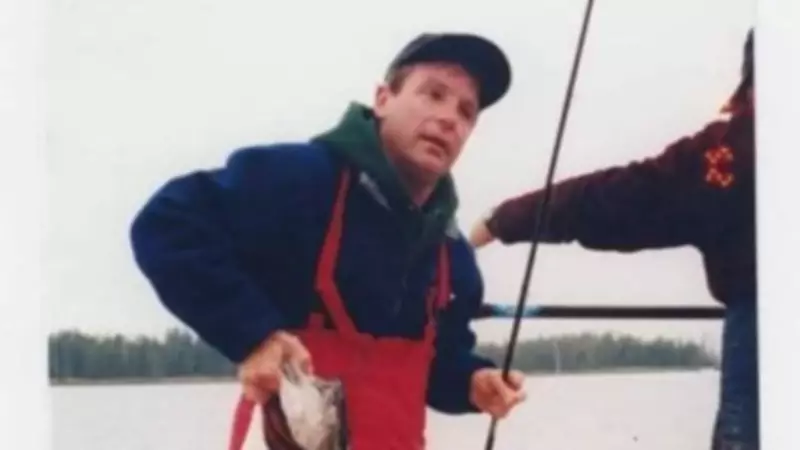
The Integrated Homicide Investigation Team (IHIT) has been leading the probe into the shooting, which occurred in Coquitlam, a city in Metro Vancouver. According to police evidence, the victim was killed during what investigators describe as a drug transaction that turned violent. Terry Miller, whose photo was released by IHIT during the investigation, faces charges related to the homicide.
Crown's Argument for a Harsh Sentence
In court proceedings, Crown attorneys argued that the shooting was a deliberate act requiring a significant penalty to reflect its gravity. They emphasized that such crimes contribute to public safety concerns and the ongoing opioid crisis, which has plagued communities across British Columbia. The proposed seven-year term aims to serve as both punishment and a deterrent against similar offenses.

This case is part of a broader pattern of drug-related violence in the area, with law enforcement agencies repeatedly highlighting the dangers associated with illegal narcotics trade. The Crown's call for a lengthy sentence aligns with recent efforts to crack down on violent crimes connected to drug operations.
Background and Investigation
The investigation into the killing has involved multiple agencies, including local police and IHIT, which specializes in complex homicide cases. Evidence gathered over the past few years points to Miller's alleged involvement, though details of the drug deal and the exact circumstances remain under scrutiny as the legal process unfolds.
Community impact has been a focal point, with residents expressing concerns over safety and the prevalence of drug-related incidents. This sentencing recommendation comes amid ongoing debates about how to effectively address both the root causes of drug addiction and the violence it can spawn.
Legal and Social Implications
The case raises important questions about sentencing in drug-related homicides, balancing rehabilitation with public protection. As the court considers the Crown's request, observers note that outcomes like this could set precedents for future cases involving similar charges in British Columbia.
With the sentencing hearing scheduled to continue, the final decision will be closely watched by legal experts, community advocates, and those affected by drug violence. The outcome may influence how prosecutors approach comparable cases in the future, potentially shaping law enforcement strategies against drug trade-related crimes.