As we step into 2026, the future of crime and justice in Canada hangs in the balance. Drawing inspiration from the tradition of reading tea leaves, we gaze into the proverbial crystal ball to forecast the pivotal trends and events that may define the nation's law and order landscape in the coming year.
The Fate of a Fugitive: Ryan Wedding's Precarious 2026
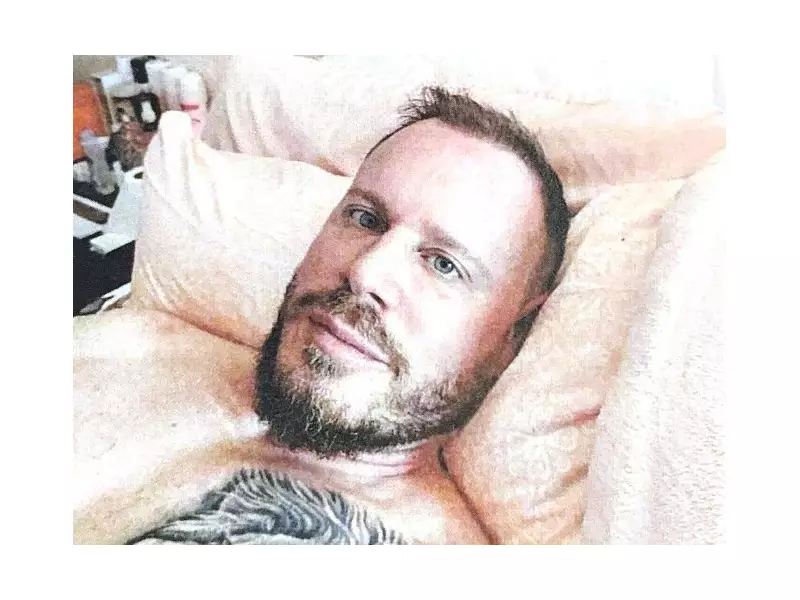
All eyes are on Ryan Wedding, the 44-year-old former Olympic snowboarder from Thunder Bay who now finds himself on the FBI's Ten Most Wanted list. Authorities allege he has transformed into one of Canada's most significant drug kingpins, orchestrating murders and smuggling massive quantities of cocaine and methamphetamine across the U.S. border with the aid of Peel Punjabi gangsters. Currently believed to be under the protection of the Sinaloa Cartel in Mexico, his future looks grim.
The FBI has placed a staggering $15 million bounty for information leading to his capture. The prediction for 2026 is stark: the intense international pressure and the heat he brings to his protectors will become unsustainable. By the end of the year, Ryan Wedding will likely find himself either behind bars or deceased in a Mexican morgue.

Toronto's Homicide Rate: A Calm Before the Storm?
In a surprising turn, Toronto witnessed a dramatic drop in murders during 2025, recording only 42 homicides—a number not seen since 1986. This represented a significant decrease from 84 murders the previous year. Toronto Police Service homicide commander Ted Lioumanis credited a collaborative policing approach, and the closure rate for these cases was an impressive 86%.
However, the crystal ball suggests this reprieve may be temporary. Underlying societal issues fueling violence have not abated. The ongoing opioid epidemic, challenges with border security, and perceived weaknesses in the bail and justice systems create a volatile foundation. The prediction for 2026 is that murder rates will climb again, as these systemic pressures inevitably boil over.
The Disturbing Trend of Youth Involvement in Violence
A particularly alarming pattern emerged in 2025, where organized crime groups appeared to outsource violence to street gangs, who in turn are increasingly relying on their youngest members to carry out murders. The tragic case of 8-year-old JahVai Roy, killed by a stray bullet while sleeping in his North York home—with one of the alleged shooters being just 17—highlighted this grim reality.
Gang leaders are allegedly exploiting Canada's youth justice system, knowing that young offenders often face minimal consequences and have their identities protected, even after committing heinous acts. In 2025, nearly one-third of Toronto's murders were allegedly committed by minors, with 13 young suspects involved. The public sentiment is shifting, demanding tougher accountability. With Prime Minister Mark Carney at the helm, the prediction is that 2026 will see a move toward stricter measures for youth who commit serious violent crimes.
Judicial Reform: A Demand for Order in the Courts
Many Canadians have grown frustrated with what they perceive as an activist judiciary and a bail system that prioritizes offender rights over public safety. Critics point to appointments made during the Trudeau administration, specifically between 2019 and 2023 under then-Minister of Justice David Lametti, as embedding a lenient ideology within the courts.
Justices like Renu Mandhane and Avvy Yao-Yao Go are often cited as examples of this trend. Furthermore, decisions such as Supreme Court Justice Mary Moreau striking down mandatory minimum sentences for child pornography possession have sparked public outrage. The prediction for 2026 is a growing, forceful demand for judicial reform. Victims' advocates, law enforcement, and a significant portion of the electorate are expected to push for a justice system that delivers stronger consequences for serious crimes, signaling a potential ideological shift in how Canada handles law and order.