A Killing a Day: Crime Epidemic Highlights Deep Inequality in Israeli Society
In a stark revelation of societal fractures, Israel is grappling with a devastating crime wave that has seen an average of one killing per day, predominantly within its Arab minority communities. This alarming trend has thrust long-standing issues of inequality and systemic neglect into the national spotlight, prompting urgent calls for reform and effective law enforcement.
Protests Erupt Amid Rising Violence
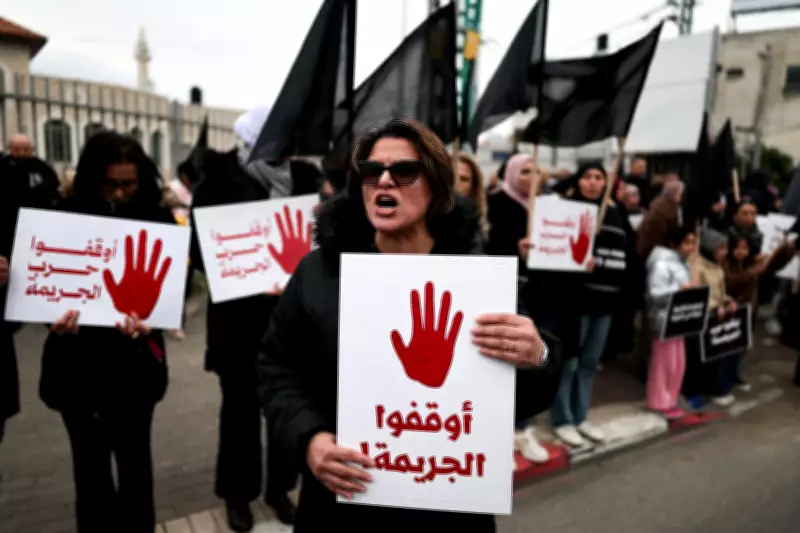
Members of Israel's Arab minority have taken to the streets in protest, demanding that the Israeli government address the escalating violence through robust and equitable law and order measures. In Sakhnin, a city in northern Israel, demonstrators gathered on January 22, 2026, voicing their frustration over what they perceive as governmental inaction. The protests underscore a growing sense of desperation as communities feel abandoned in the face of rampant crime.
The statistics are chilling: the persistent violence has not only claimed numerous lives but has also exacerbated existing social and economic disparities. Arab citizens, who make up about 21% of Israel's population, often face higher poverty rates, limited access to resources, and perceived discrimination in policing compared to their Jewish counterparts. This crime epidemic is seen by many as a symptom of these deeper, unresolved inequalities.

Systemic Challenges and Calls for Action
Experts point to a combination of factors fueling the crisis, including inadequate policing in Arab towns, socioeconomic marginalization, and a lack of investment in community infrastructure. The Israeli government has acknowledged the issue but critics argue that responses have been slow and insufficient, failing to address the root causes of the violence.
"This is not just about crime; it's about justice and equality," said one activist at the Sakhnin protest. "We need real solutions that ensure safety for all citizens, regardless of their background." The protests have amplified demands for increased police presence, better crime prevention programs, and economic initiatives to uplift Arab communities.
Broader Implications for Israeli Society
The crime wave has sparked a national conversation about inclusivity and the social contract in Israel. As violence persists, it risks further polarizing an already divided society, with implications for social cohesion and national stability. The government's handling of this crisis is being closely watched, both domestically and internationally, as a test of its commitment to equality and human rights.
In response to the protests, some officials have pledged to enhance law enforcement efforts and allocate more resources to Arab areas. However, activists remain skeptical, calling for transparent and sustained action rather than temporary measures. The path forward requires not only addressing immediate security concerns but also tackling the underlying socioeconomic gaps that contribute to such epidemics.
As Israel confronts this grim reality, the daily toll of violence serves as a poignant reminder of the urgent need for comprehensive reform. The crime epidemic is more than a law enforcement issue; it is a reflection of deep-seated inequalities that must be resolved to build a safer, more equitable society for all Israelis.