Federal Appeals Court Denies Trump Administration's Request to Delay Tariff Refund Proceedings
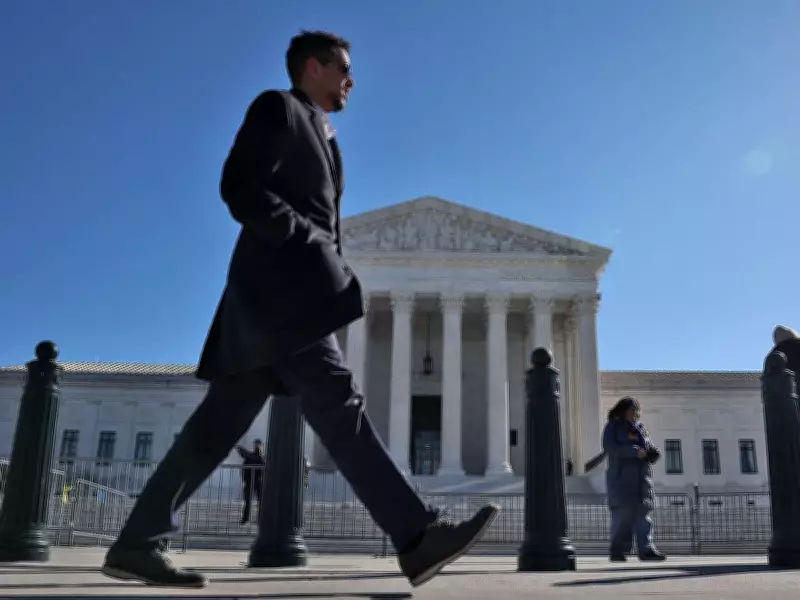
In a significant legal development, the U.S. Court of Appeals for the Federal Circuit has rejected the Trump administration's attempt to delay next steps in the ongoing battle over tariff refunds for importers. This decision comes shortly after the U.S. Supreme Court struck down President Donald Trump's signature economic policy, declaring his use of a 1977 emergency powers law to impose global tariffs as unlawful.
Immediate Reopening of Legal Proceedings
In an order issued on Monday, the Federal Circuit took immediate action to reopen legal proceedings and send the case back to the U.S. Court of International Trade. The court specifically denied the government's request to maintain a pause in litigation for up to four months, moving forward with the process despite administration objections.
The Justice Department had argued that the appeals court should wait not only for the Supreme Court to finalize its judgment but also "to allow the political branches an opportunity to consider options." The government had urged the court to keep proceedings on hold for an additional 90 days beyond the Supreme Court's typical 32-day period for formally closing cases.

Thousands of Lawsuits Await Resolution
More than 2,000 tariff lawsuits have been filed to date, with nearly all of them lodged in the trade court in New York after the Supreme Court heard arguments in November. The trade court had previously paused all these cases pending the Supreme Court's ruling, creating a backlog of litigation that now requires resolution.
A group of small businesses whose case was before the justices had urged the Federal Circuit in Washington, D.C., to immediately close out its phase of the litigation so they could move forward with pursuing refunds as quickly as possible. The Liberty Justice Center, a legal advocacy group representing importers in the case that went before the Supreme Court, stated: "For months, the government argued for delay. Today, the courts made clear: enough."
Uncertainty Surrounding Refund Process
While the administration appeared to acknowledge that a refund process is inevitable in recent court filings, it hasn't offered an explicit commitment to repay businesses the full amount of levies they paid over the past year. President Trump added to the uncertainty about the refund question, telling reporters shortly after the Supreme Court ruled on February 20: "I guess it has to get litigated." He also suggested the administration might push the justices to reconsider their ruling, a request the high court almost never grants.
The Federal Circuit didn't offer a written explanation for its decision, and there was no dissent listed. The trade court hasn't signaled yet how it plans to proceed with the numerous pending cases. A Justice Department spokesperson did not immediately respond to a request for comment regarding the appeals court's decision.
The case, identified as V.O.S. Selections Inc. v. Trump, 25-1812, U.S. Court of Appeals, Federal Circuit, represents just one of many legal challenges to the tariff policies that have created significant financial burdens for importers across the country. With the appeals court's refusal to grant further delays, businesses now move closer to potential resolution of their claims for refunds of tariffs they argue were unlawfully imposed.