Iran's economy has been severely battered by international sanctions and internal challenges, yet its leaders remain defiant, believing that former President Donald Trump will ultimately blink first in the ongoing standoff. The Associated Press reports that despite mounting economic pressure, Iranian officials are holding firm, expecting the United States to ease restrictions.
Economic Struggles Deepen
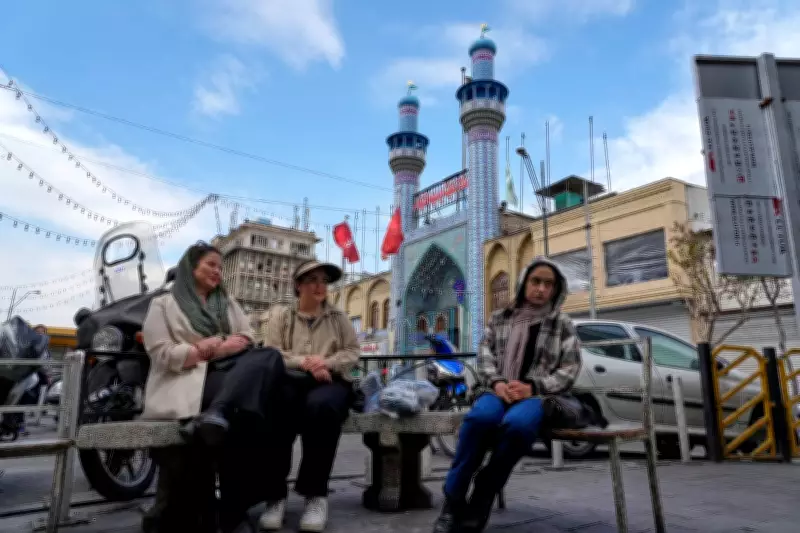
The Iranian rial has plummeted, inflation is soaring, and unemployment remains high. Women sit in front of a mosque around the traditional grand bazaar of Tehran, Iran, captured in a March 29, 2026 photo by AP photographer Vahid Salemi. The bazaar, once a bustling hub of commerce, now reflects the nation's economic woes.
Sanctions Bite Hard
US sanctions have crippled Iran's oil exports, its primary revenue source. The banking sector is isolated, and trade with many nations has become difficult. However, Iranian leaders, including Supreme Leader Ayatollah Ali Khamenei, have repeatedly stated they will not bow to pressure.

Political Calculations
Analysts suggest that Tehran believes Trump's desire for a foreign policy win might lead him to negotiate. The Iranian government is banking on internal US political dynamics and the president's aversion to prolonged conflicts. "They think time is on their side," said a Middle East expert.
Regional and Global Implications
The standoff has broader implications for the Middle East, affecting oil prices, regional security, and the nuclear deal. Iran continues to enrich uranium, while the US maintains a military presence in the Persian Gulf. Diplomatic efforts have stalled, with both sides unwilling to make the first move.
As the economic crisis worsens, ordinary Iranians bear the brunt. Protests have erupted sporadically, but the regime's security forces have cracked down. The coming months will be critical in determining whether Iran's gamble pays off or if further economic deterioration forces a change in strategy.