A United States appeals court has ruled that Alina Habba, a former personal lawyer for ex-President Donald Trump, is disqualified from serving as the interim U.S. Attorney for New Jersey. The decision, delivered on December 1, 2025, blocks her appointment to one of the most prominent federal prosecutor roles in the country.
The Court's Decision and Its Basis
The ruling by the federal appeals court represents a significant legal and political development. While the full opinion details the specific legal grounds for disqualification, the outcome centers on Alina Habba's suitability and eligibility for the high-profile position. The court's decision effectively overturns the prior intention to install her as the state's top federal prosecutor.
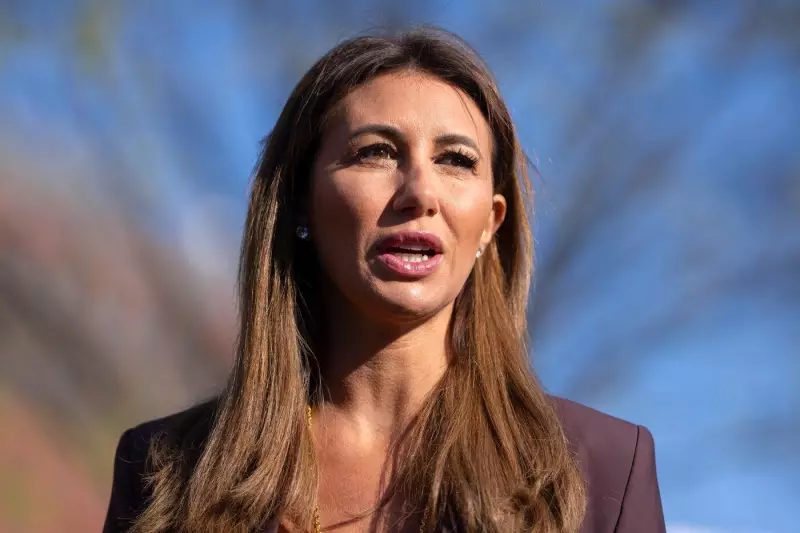
Habba was publicly announced as President Trump's selection for the role earlier in the year. She was photographed speaking with reporters outside the White House on March 26, 2025, following the announcement of her nomination. The interim appointment was poised to place her in charge of the U.S. Attorney's Office for the District of New Jersey, which handles major criminal and civil cases within the state.

Background of the Controversial Nominee
Alina Habba gained national recognition as a member of Donald Trump's legal team, representing him in various personal and professional matters. Her nomination to a powerful, Senate-confirmed position like a U.S. Attorney was seen as a politically charged move. U.S. Attorneys are typically seasoned prosecutors or legal experts with extensive experience in public service or complex litigation.
The appeals court's scrutiny of her appointment underscores the intense examination such nominations face, particularly when involving figures closely associated with politically contentious figures. The disqualification ruling halts her ascent to this key law enforcement post.
Implications for the Justice Department and New Jersey
This ruling creates immediate uncertainty regarding the leadership of the New Jersey U.S. Attorney's Office. The office requires stable, confirmed leadership to oversee its docket, which includes cases ranging from public corruption and organized crime to terrorism and major fraud.
The court's intervention highlights the ongoing tensions surrounding appointments within the Department of Justice. It also sets a notable precedent regarding the legal standards and potential conflicts of interest examined for nominees to such critical posts. The administration will now be forced to put forward a new candidate for the role, a process that can be lengthy and complex.
For the legal community in New Jersey and observers of federal justice, the decision reaffirms the role of the judiciary in checking executive branch appointments to ensure they meet established legal and ethical benchmarks.