Indonesian Couple Publicly Caned 140 Times Under Strict Sharia Law
In a stark demonstration of the enforcement of Islamic law, a couple in Indonesia's Aceh province has been subjected to a severe public caning. The individuals received a total of 140 lashes as punishment for engaging in sexual relations outside of marriage and consuming alcohol, violations that are strictly prohibited under the region's Sharia legal system.
Details of the Punishment and Legal Context
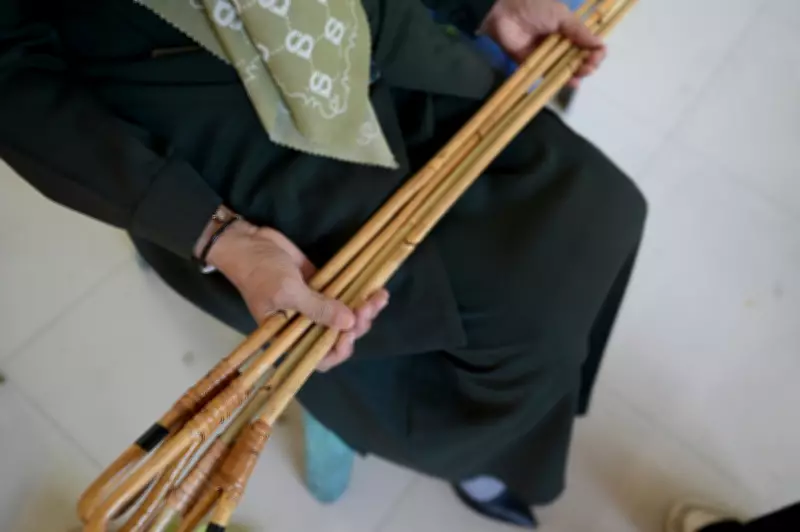
The caning was carried out using rattan sticks, a traditional instrument for corporal punishment in Aceh. This province is the only region in Indonesia that officially implements Sharia law, granted special autonomy in 2001. The legal framework applies to all residents, including non-Muslims, for certain offenses like gambling, adultery, and alcohol consumption.
Public canings are conducted in front of crowds, often drawing spectators, as a means of deterrence and public shaming. The practice has been criticized by human rights organizations, but local authorities defend it as a necessary measure to uphold moral and religious standards in the conservative area.

International Reactions and Human Rights Concerns
This incident has reignited debates about human rights and the application of Sharia law in Indonesia, the world's most populous Muslim-majority country. International observers and advocacy groups have repeatedly condemned such punishments, citing them as cruel and degrading treatment that violates international human rights norms.
Despite the criticism, support for Sharia law remains strong in Aceh, where many view it as integral to their cultural and religious identity. The Indonesian central government, while secular, has largely allowed Aceh to maintain its legal autonomy, balancing national unity with regional特殊性.
The case underscores the ongoing tension between traditional religious laws and modern human rights standards in diverse societies. It also highlights the challenges faced by Indonesia in managing its pluralistic legal landscape, where different regions operate under varying degrees of autonomy.