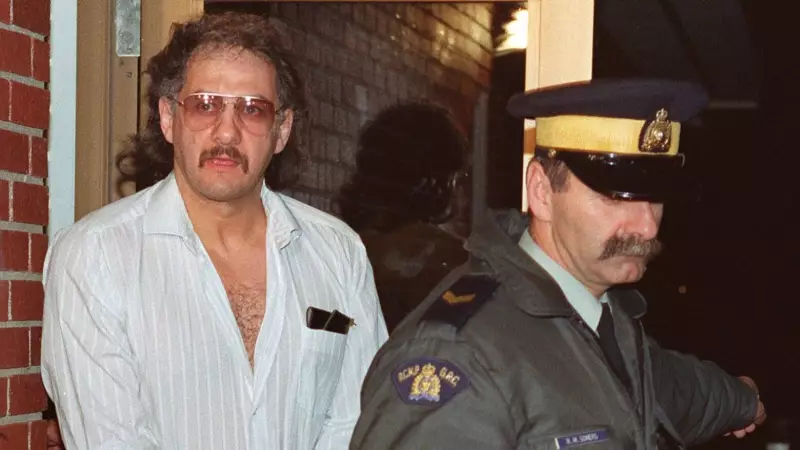
Notorious serial killer Allan Legere will remain behind bars after the Parole Board of Canada denied his application for full release. The decision, announced on December 22, 2025, reaffirms that the man once dubbed the 'Monster of the Miramichi' continues to pose an unacceptable risk to public safety.
The Parole Board's Decision
The board concluded that Legere's escalating pattern of extreme violence and the sadistic nature of his crimes were central factors in their ruling. They determined he has not sufficiently addressed the root causes of his criminal behaviour. While Legere has reportedly maintained clean conduct in prison for an extended period, the board found this was insufficient to guarantee he would not re-offend if released into the community.
Legere, now in his late seventies, was convicted for a series of brutal murders that terrorized the Miramichi region in the late 1980s. His crimes included the killings of Annie Flam, Donna Daughney, and two Catholic priests, Father James Smith and Father William Davis. He earned further infamy for his daring escape from custody in 1989, during which he committed additional murders before being recaptured in 1991.

A History of Violence and Notoriety
Allan Legere's trial was a landmark case in Canadian legal history. He was the first person in Canada to be convicted using DNA evidence, a then-novel technology that conclusively linked him to the crime scenes. His court appearances, such as his departure from the Burton, New Brunswick courthouse on November 2, 1991, awaiting a jury verdict, became iconic images of a dark chapter for the province.
The parole board's latest assessment underscores the lasting impact of his actions. The decision notes the profound and enduring trauma inflicted upon the victims' families and the wider community, which continues to resonate decades later.
What Comes Next for Legere?
With full parole denied, Allan Legere's status remains unchanged. He is serving a life sentence with no eligibility for parole for 25 years, a sentence he began after his 1991 convictions. He can apply for parole again at a future date, but the board's stern assessment suggests any future release remains highly unlikely.
This ruling brings a measure of certainty to a case that has haunted New Brunswick for generations. It signals the justice system's continued prioritization of public protection in the face of one of Canada's most violent and notorious offenders.